Is there a “right month” to list a Gold Coast home? If you live in West Alameda, you feel the market shift across the year, but the patterns can be subtle. You want a plan that matches how buyers move through the seasons in this historic neighborhood, not just generic advice. In this guide, you’ll learn what changes month to month, how Alameda’s microclimate and events affect showings, and how to time your sale or search with confidence. Let’s dive in.
Gold Coast seasonality at a glance
Most markets see inventory and buyer activity build from late winter into spring, level off in early summer, then ease through fall and the winter holidays. Alameda follows that rhythm, but swings are often softer because demand stays steady and supply remains tight. In the Gold Coast, a few listings can change the feel of the market, yet prices and days on market do not always move dramatically.
This cycle happens for practical reasons. Families plan around school calendars and tax-year transitions. Sellers aim for stronger curb appeal in drier months and use winter for prep and repairs. Buyers feel more urgency in spring when options increase.
Local factors that shape timing
- Historic homes and buyer profile. Gold Coast buyers often seek period details and character, which can make demand less price-sensitive and more steady through the year.
- Design review and permits. Exterior changes may need approvals. Build extra lead time into your pre-list plan, especially for porch, window, or facade updates.
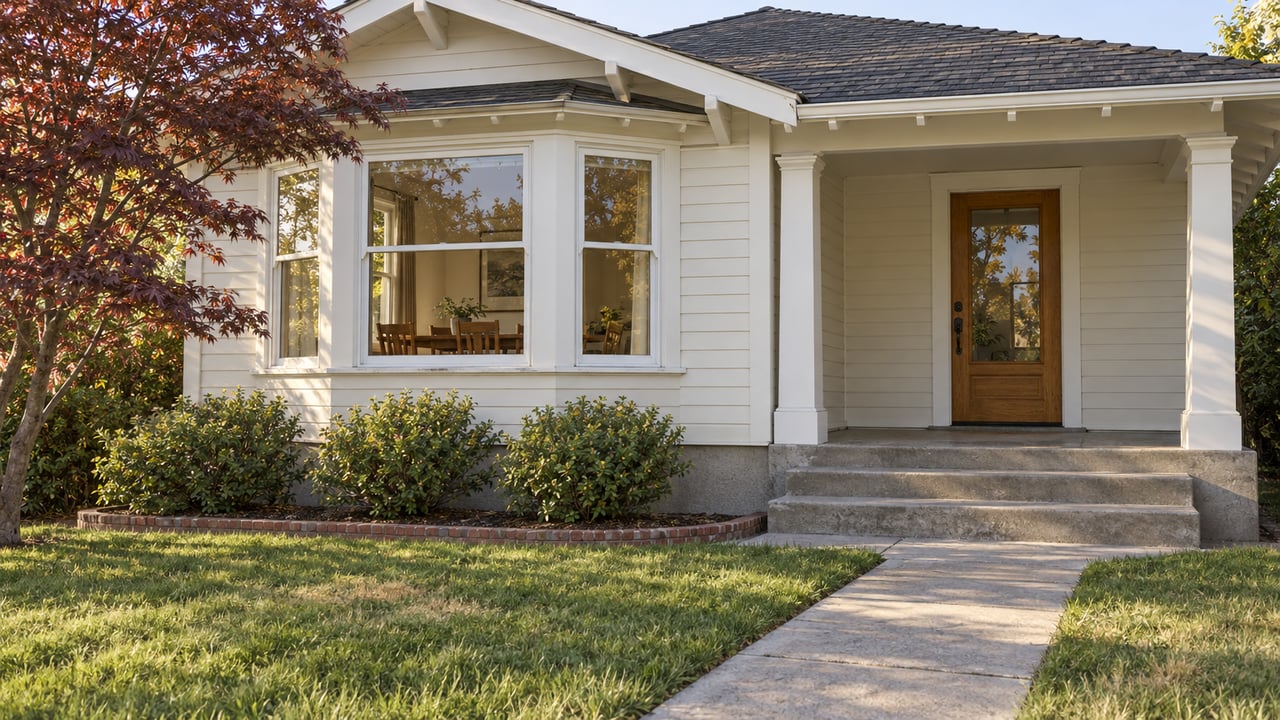
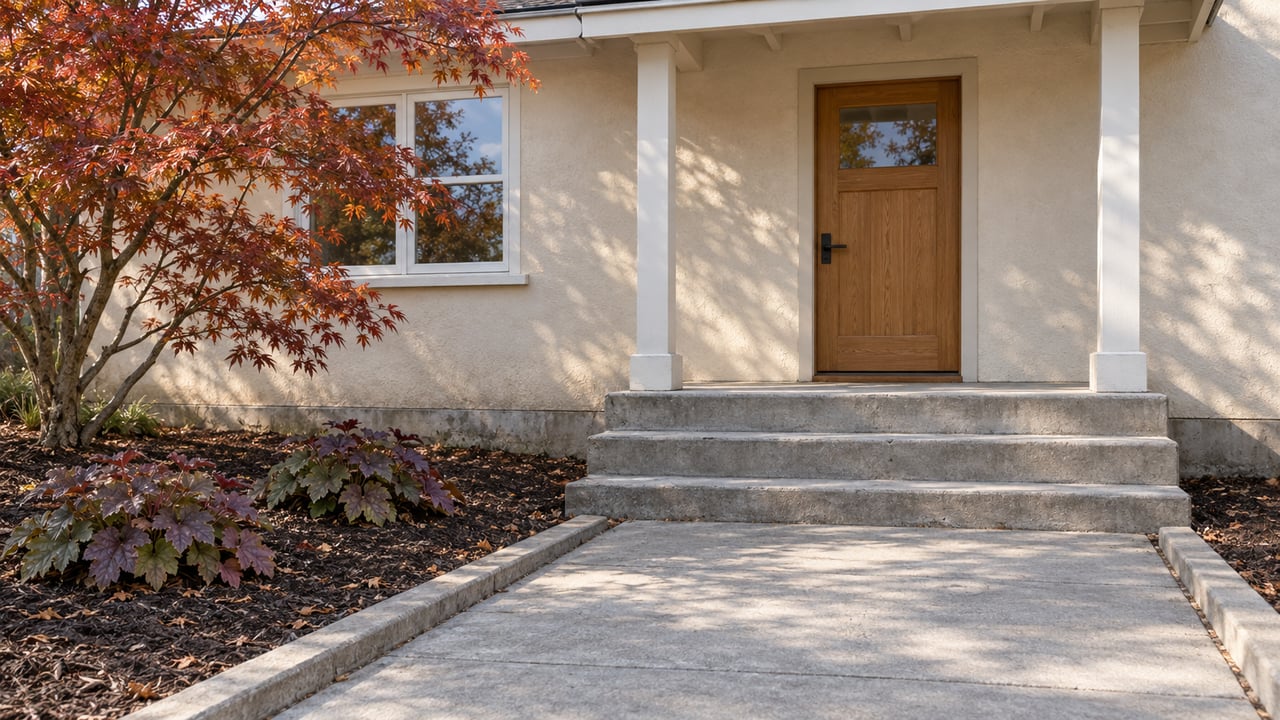
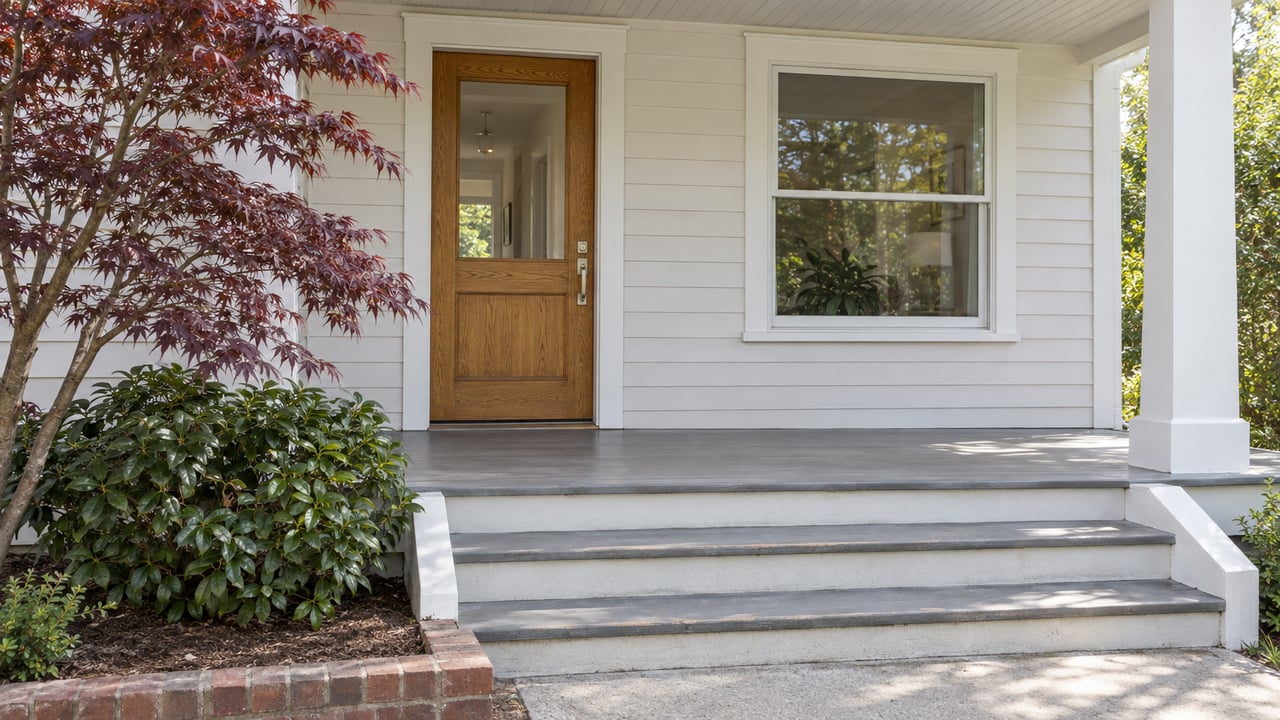
- Outdoor spaces and curb appeal. Porches and gardens shine in dry months. Alameda’s mild winters keep showings viable year-round, but rainy days can dampen first impressions.
- Microclimate. The main rainy season runs roughly November through March. Morning fog can soften natural light, so photography and showing times matter.
- Tight inventory. Low turnover in older neighborhoods means small changes in listings can shift competition quickly.
- Commute and transit. Proximity to Oakland and San Francisco ferries and transit attracts professionals. Aligning showings with commute-friendly hours and ferry schedules can lift attendance.
Best listing windows in Alameda’s Gold Coast
Late winter to early spring (Feb–Apr)
If you can choose, this is often the most effective window. Buyer tours rise and you can get ahead of heavier competition that typically arrives in late spring. Use January for inspections, light updates, and staging so you hit the market with fresh photos on dry, clear days.
Late spring to early summer (May–Jul)
Demand is still robust and many households are ready to move before the next school year. Expect more listings competing for attention, so presentation and pricing discipline matter. For a move-ready home with standout character, this window can bring strong results.
Early fall window (Sep–Oct)
You may see slightly fewer buyers than spring, but competition also thins. Motivated shoppers who skipped summer often re-enter the market after vacations. Aim for crisp photography, tidy landscaping, and a clear plan to accommodate fall rain if it arrives.
Holiday season (Nov–Jan)
This is usually the quietest period. Buyers who are out touring tend to be serious, yet overall traffic is lighter and days on market can stretch. If you must list, lean on competitive pricing, strong interior staging, and flexible terms to meet motivated buyers where they are.
Pricing and prep that fit the season
- Spring and early summer. Keep your price aligned with recent comps and let demand work for you. Conservative list pricing can increase showings and your odds of multiple offers. Highlight outdoor living with porch vignettes and garden photos.
- Fall. Calibrate price to stand out among fewer but motivated buyers. Refresh landscaping, clean gutters, and schedule exterior photos for clear afternoons.
- Winter. Price with precision and consider modest concessions or flexible timing to widen your buyer pool. Stage for warmth and light. Make heating systems, insulation, and moisture management easy to verify with documentation.
- Historic-home prep. Start inspections and disclosure packets early. If exterior work may need design review or permits, begin well ahead of your target launch date.
- Photography timing. Choose dry, bright days whenever possible. If mornings are foggy, shoot mid-day for better light and color.
Buyer strategies by season
- Spring and early summer. You get more choices, but competition increases. Have your financing ready, review disclosures quickly, and be prepared for firm timelines.
- Fall and winter. You may face fewer bidding wars, but there will be fewer listings. Use the extra time to line up inspections, contractors, and any remodel planning.
- Historic-home budgeting. Plan for maintenance and period-appropriate updates. Ask for documentation on permits and design-review sign-offs to streamline decisions.
Showings and open houses that work here
- Weather and light. Rain can reduce curb appeal and open-house turnout, even if interiors show well. Foggy mornings may limit light, so target mid-day or afternoon slots for photos and tours.
- Holidays and school calendar. Late November through December slows. March through June usually brings more touring and a faster pace. Summer vacations can lift weekend traffic but may reduce weekday availability.
- Local events and closures. Large city events in late summer and fall can close streets or tighten parking. Check community calendars before picking open-house dates.
- Day and time choices. Weekend afternoons and weekday early evenings draw the best crowds. If you hope to attract San Francisco commuters, avoid conflicts with ferry schedules and rush-hour traffic.
How to read the data in West Alameda
Make timing decisions with neighborhood-level metrics. In a low-turnover area, a small number of sales can skew single-month figures, so look at multi-year patterns.
- Track these monthly metrics. Active listings, new listings, pending sales, days on market, sale-to-list price ratio, and median price per square foot.
- Compare the right windows. Review month over month and year over year for the same month. Use at least 3 to 5 years of data where possible. If the sample is small, use rolling 3-month averages.
- Watch for clear signals.
- Rising inventory, longer days on market, and softening sale-to-list ratios suggest more buyer leverage. Consider sharpening price or waiting for a stronger month.
- Falling inventory, shorter days on market, and steady or rising sale-to-list ratios point to seller leverage. Listing sooner may help.
- A spike in new listings without a matching rise in pendings suggests demand is not absorbing supply. Adjust expectations and pricing.
Quick checklist to plan your move
- Define your ideal launch window based on readiness, not just the calendar.
- Start inspections and permit checks early, especially for exterior or historic work.
- Align photography and showings with dry, well-lit days and commuter-friendly times.
- Calibrate price to seasonal demand and nearby comps.
- Prep for how buyers will tour your home that month. Emphasize outdoor spaces in spring and summer, interior comfort and maintenance in fall and winter.
- For buyers, decide if you value selection or negotiation power more this season, then tailor your search and offer strategy.
Partner with a neighborhood-first team
Seasonality in the Gold Coast is real, but muted. A focused plan, grounded in local data and smart timing, can make your sale or purchase feel smooth and predictable. If you want a tailored timeline, staging and Concierge support, and a clear pricing strategy, the neighborhood experts at Sophia Niu Group are here to help. Request a free home valuation and neighborhood consultation, and let’s align your goals with the season.
FAQs
Is spring always the best time to list in the Gold Coast?
- Spring often brings the biggest buyer pool and more listings, but competition rises too; the best time for you depends on your readiness, current local inventory, and whether speed or top-dollar is your priority.
Will I get a better price by listing in slower months?
- You may find motivated buyers and more negotiation room in slower months, yet lower traffic and less competition among buyers can limit final prices; success depends on precise pricing and strong presentation.
How much does Alameda’s weather affect showings?
- Less than in harsh climates because conditions are mild, but rainy periods reduce curb appeal and open-house turnout; schedule photos and key showings for dry, bright windows when possible.
Do historic-district rules change my prep timeline?
- Yes; exterior alterations may require design review or permits, which extend lead times; begin approvals early and keep documentation ready for buyers.
What local events should I avoid when scheduling open houses?
- Avoid major festivals or parade days that close streets or tighten parking; check community calendars each year before you set your open-house schedule.