Are you unsure how to price a historic Gold Coast home without leaving money on the table? You’re not alone. Character-rich properties in Alameda and the broader Oakland–Berkeley corridor attract passionate buyers, yet their uniqueness makes pricing tricky. In this guide, you’ll learn how buyers value preserved details, modern updates, and structural readiness, plus a clear method to adjust comps for one-of-a-kind features. Let’s dive in.
Value drivers buyers pay for
Architectural integrity
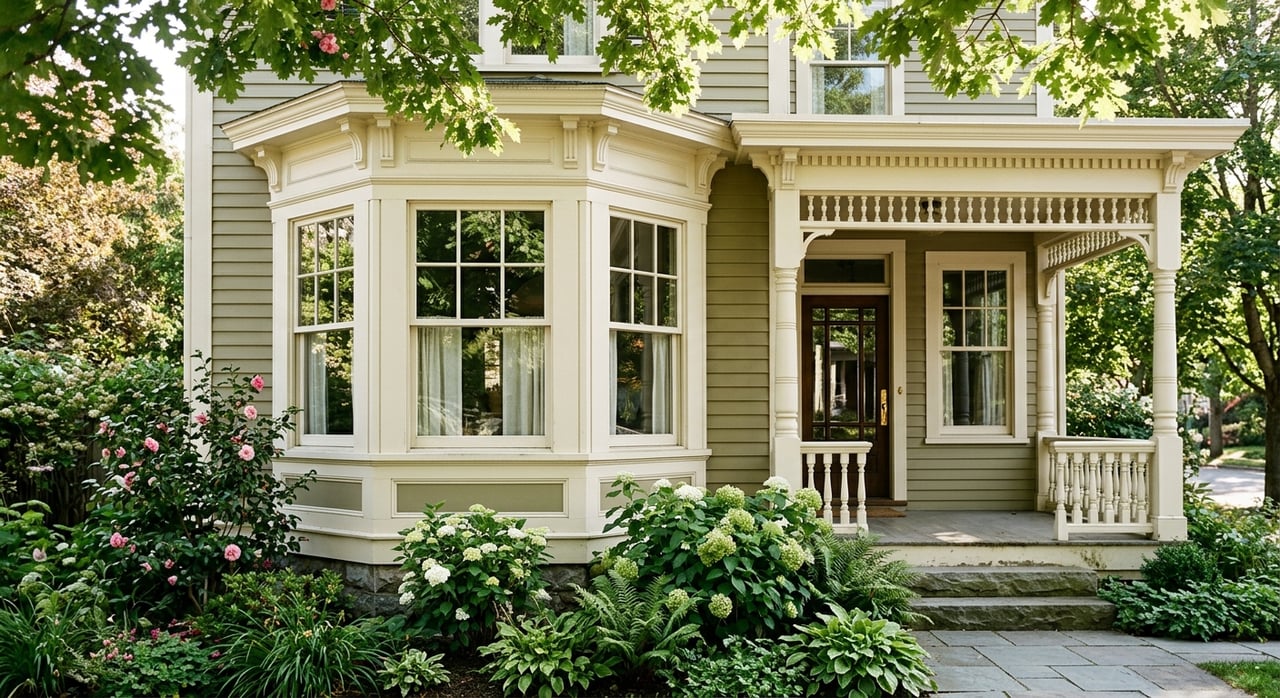
Buyers who love historic homes pay attention to authentic, intact features. Original millwork, built-ins, staircases, stained glass, period light fixtures, and wood windows can support a premium when they are well preserved. The more cohesive the original fabric, the stronger the appeal for character-focused buyers. Properties that lost key details often compete with a different buyer pool.
Condition and maintenance
Overall condition often outweighs decorative elements. Roofing, foundation, drainage, siding, and paint tell buyers whether the house has been well cared for. Significant deferred maintenance usually leads to a larger discount than the premium created by intact trim or mantels. Clear inspections and realistic repair plans help buyers price risk and present strong offers.
Updates that balance character
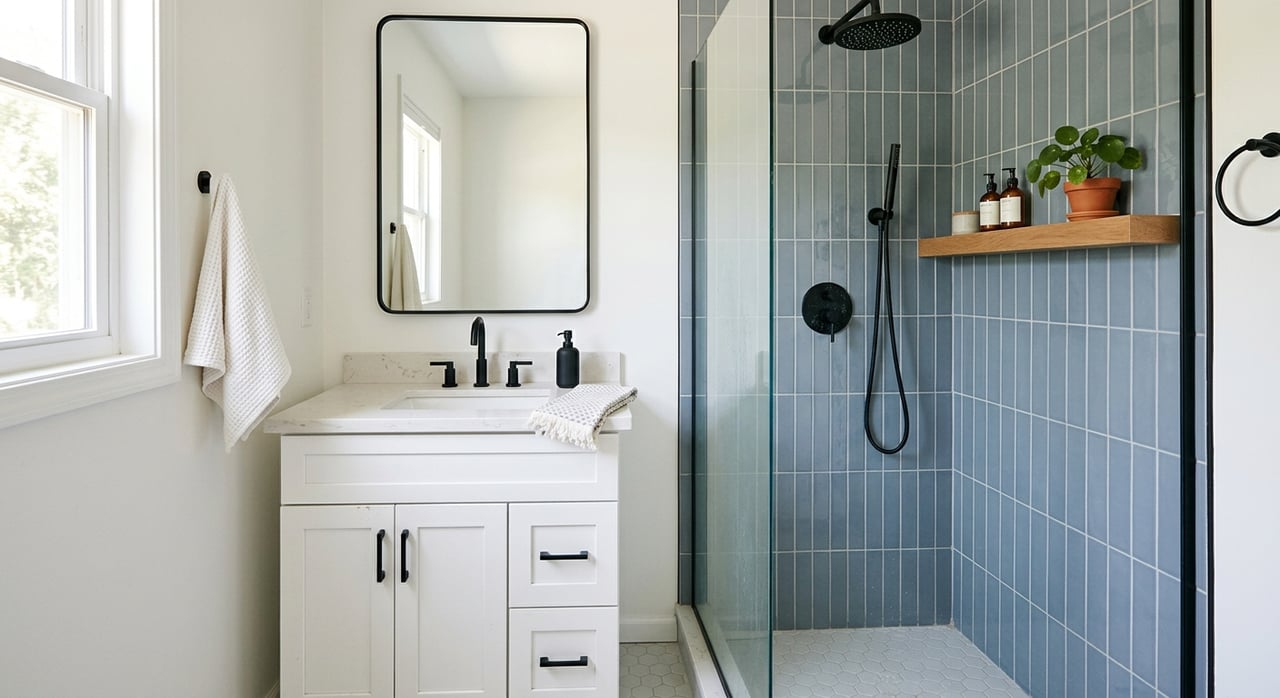
Kitchens, bathrooms, and mechanical systems are major purchase drivers. Many buyers will pay more for homes that combine preserved charm with modern function. Tasteful, permitted renovations that respect period style tend to perform best. When you show that the kitchen, baths, electrical, plumbing, and HVAC are up to date, you expand your buyer pool beyond purists.
Seismic safety and systems
In the Bay Area, seismic readiness matters. Bolted foundations, cripple wall bracing, and engineered retrofit documentation reduce uncertainty. Electrical capacity, panel quality, and plumbing upgrades also influence buyer confidence. Even if a retrofit is not complete, a clear plan or contractor estimate can materially shape price and terms.
Permits and documentation
Permitted work and historic-appropriate repairs add credibility. Unpermitted additions or undocumented remodels can reduce appraised value and create negotiation friction. Keep a file of permits, contractor invoices, restoration photos, and any correspondence related to historic features or review processes.
How to price Gold Coast historic homes
Define your comp pool
Start with recent closed sales in the immediate neighborhood or nearby areas where buyers see equivalence. Prioritize similar era, architecture, and lot context. If direct comps are scarce, expand your radius but filter for the same character tier: intact historic, sensitively renovated, or heavily altered. Micro-location still matters, so weigh street and block differences.
Build a feature inventory
Create a side-by-side inventory for your home and each comp. Include:
- Architectural integrity: windows, millwork, mantels, built-ins, flooring, hardware
- Condition: roof, foundation, drainage, exterior paint, termite status
- Updates: kitchens, baths, electrical, plumbing, HVAC
- Legal/permitting: documented permits, ADU potential, prior approvals
- Site elements: lot size, yard usability, garage, outbuildings, views
Score integrity as high, medium, or low so you can compare like with like.
Apply matched-pair logic
Avoid blanket percentage adjustments. Instead, look for sales where the most meaningful difference is integrity or renovation level. Ask whether a buyer would treat two otherwise-similar homes as substitutes. If not, estimate a market-based adjustment based on what buyers actually paid. Conversations with local agents and appraisers who work in historic neighborhoods can help you calibrate.
Use cost-to-cure when needed
When function drives value, use a cost-to-cure lens. If a comp has a renovated kitchen and the subject home’s kitchen needs replacement, adjust by a reasonable estimate to bring the subject up to the comp. Apply similar logic to bathrooms, electrical, plumbing, and seismic work. For structural or retrofit items, rely on engineer or contractor estimates and include a prudent contingency.
Adjust for designation and incentives
Historic designation can affect value by shaping what changes are allowed and how buyers perceive stewardship. In some California cities, the Mills Act can reduce property taxes for designated homes. Participation and eligibility vary by jurisdiction and are not universal. Treat any potential benefit conservatively unless it is confirmed, and consider whether review processes or restrictions might affect buyer flexibility.
Document and triangulate
Record the basis for each adjustment. Use contractor bids, inspection reports, and notes from closed sales. Then triangulate with list-to-sale ratios in the micro-market, current active listings, and, when appropriate, an appraiser experienced with historic properties. A clear paper trail supports pricing and helps the appraisal process.
Seller pricing playbook
Prep that protects value
Before you price, invest in knowledge:
- Order a general-condition inspection and obtain estimates for repairs.
- Assemble permits, restoration invoices, and photos of preserved features.
- Create a concise feature inventory that highlights historic fabric and updates.
This file helps buyers and appraisers see contributory value and reduces renegotiations.
Positioning and list strategy
Decide whether to market the home as a preserved historic or as a renovated historic with turnkey function. That decision shapes your comp set and list price. If you target purists, emphasize integrity and provenance; if you target hybrid buyers, showcase modern systems and period-sensitive finishes. For unique properties, a list price slightly above the adjusted market midpoint can work when the marketing plan reaches the right audience.
Timing and market conditions
Seasonality can support stronger activity in spring and summer, but mortgage rates and local inventory will influence outcomes. Turnkey historic homes usually draw a broader buyer pool, while homes needing work may face financing hurdles for some buyers. If historic inventory is thin, well-prepared listings can command stronger prices and multiple offers. If inventory rises, pricing should be more competitive and staging should spotlight character.
Marketing that highlights character
Present the house so buyers feel the story and the stewardship. Use photography that captures millwork, built-ins, and stained glass alongside modern kitchens and baths. Consider historically sensitive staging and clear captions for restored elements. With brokerage tools like Compass Concierge, you can fund targeted improvements and staging that elevate presentation and protect your bottom line at closing.
Buyer offer strategy in the Gold Coast
Read the house, not just the comps
When comps are thin, focus on the house’s integrity and the cost to reach your target condition. If a home has original details you value and sound systems, a premium may be justified versus a larger, newer-feeling comp. Conversely, if key systems are near end of life, price the risk into your offer.
Structure offers around risk
If seismic, electrical, or plumbing items are open questions, order evaluations early and request estimates. Use those figures to shape price, credits, or repair terms. Documentation of permitted work can justify stronger numbers, while unpermitted additions may warrant caution.
When to bring specialists
Engage inspectors, contractors, engineers, or preservation-savvy pros when foundation, seismic, or restoration scope is significant. Their input helps you avoid surprises and write offers that reflect true project costs.
Quick checklists
Seller checklist
- Obtain inspections and at least two contractor bids for major items
- Compile permits, restoration documentation, and feature inventory
- Confirm designation status and any review processes or incentives
- Decide market positioning and align comps accordingly
- Plan historically sensitive staging, photos, and copy
- Consult a local agent and, if needed, an appraiser experienced with historic homes
Buyer walk-through checklist
- Note integrity: windows, doors, built-ins, mantels, millwork, flooring
- Review systems: electrical panel and capacity, plumbing type, HVAC age
- Ask about seismic: bolting, bracing, engineer reports, soft-story items
- Inspect condition: roof, drainage, siding, exterior paint, termite evidence
- Verify permits for visible renovations and additions
- Request recent bids for any known repairs or upgrades
Pulling it all together
Pricing a Gold Coast historic home is part art and part method. The art is understanding how buyers respond to authentic details and well-executed updates. The method is disciplined comp selection, matched-pair reasoning, and cost-to-cure adjustments supported by documentation. When you combine both, you set a price that respects the home’s past and maximizes your outcome today.
If you are planning to buy or sell a historic home in Alameda or the adjacent East Bay, we’re here to help. Our team pairs neighborhood-level expertise with patient, high-touch service and Compass-backed marketing. For Mandarin-speaking clients, we are happy to communicate bilingually. Start with a conversation and a clear pricing plan.
Ready to position your Gold Coast home with confidence? Connect with the Sophia Niu Group for a tailored valuation, prep plan, and marketing strategy.
FAQs
How do I price a Gold Coast historic home fairly?
- Use nearby sales that match character tier, then adjust with matched-pair analysis and cost-to-cure estimates for updates, condition, and seismic work.
Do historic designations change my taxes in Alameda?
- Designation can enable property-tax relief through programs such as the Mills Act where adopted; participation is local and not universal, so confirm specifics before pricing.
Do original windows add value versus replacements?
- Many buyers value original windows for authenticity; professionally restored windows or appropriate storm solutions can balance character with comfort and often support stronger pricing.
How much do seismic retrofits affect price?
- Documented retrofits reduce uncertainty and can improve buyer confidence and offers; lacking retrofits, solid engineer estimates help calibrate a price adjustment.
When is the best season to list a historic home?
- Spring and summer often bring stronger activity, but rates and inventory can outweigh seasonality; align timing with market conditions and your prep timeline.
Should I renovate before selling or list as-is?
- Compare net outcomes: after-repair value minus costs versus an as-is sale; targeted updates to kitchens, baths, and systems typically reach more buyers than exhaustive restorations.