Trying to decide between Alameda’s East End and Bay Farm? You are not alone. Each area offers a distinct pace, housing style, and commute pattern, which can make the choice feel big. In this guide, you will get a clear side‑by‑side of homes, amenities, ferries, outdoor space, and practical checklists to help you choose with confidence. Let’s dive in.
Snapshot: East End vs. Bay Farm
East End feels more historic and walkable near Park Street, with a mix of Victorians, Craftsman bungalows, and mid‑century homes on neighborhood‑scale lots. Recent neighborhood snapshots put the East End median sale price around about $1.2M, though numbers can shift month to month. Always confirm current comps before making decisions.
Bay Farm reads more suburban and master planned, with many ranch homes, townhomes, and HOA communities near trails and the golf complex. Neighborhood snapshots generally show Bay Farm medians trending below some East End pockets, often in the mid to high $800Ks to $900Ks depending on property type. The condo and townhome mix can influence that range, so pull MLS data by housing type when you are ready to make a move.
Where they are and how they feel
East End layout and lifestyle
East End sits on Alameda’s main island east of Park Street. You get everyday access to the Park Street corridor for dining, errands, and community events organized by the Downtown Alameda Business Association. Lincoln Park and nearby neighborhood parks add green space, and you can bike or stroll to shoreline paths and views along Shoreline Drive and Crown Memorial State Beach. For a quick flavor of the waterfront, explore the Shoreline Trail.
Bay Farm layout and lifestyle
Bay Farm Island sits across small bridges from the main island. It has planned subdivisions, pocket parks, and access to shoreline paths, including Shoreline Park and regional Bay Trail links. The area’s history of master‑planned growth and greenbelts gives it a tidy, suburban feel you can glimpse in this Bay Farm buildout overview. Cyclists and walkers appreciate the Bay Trail connections.
Housing types and maintenance
East End homes
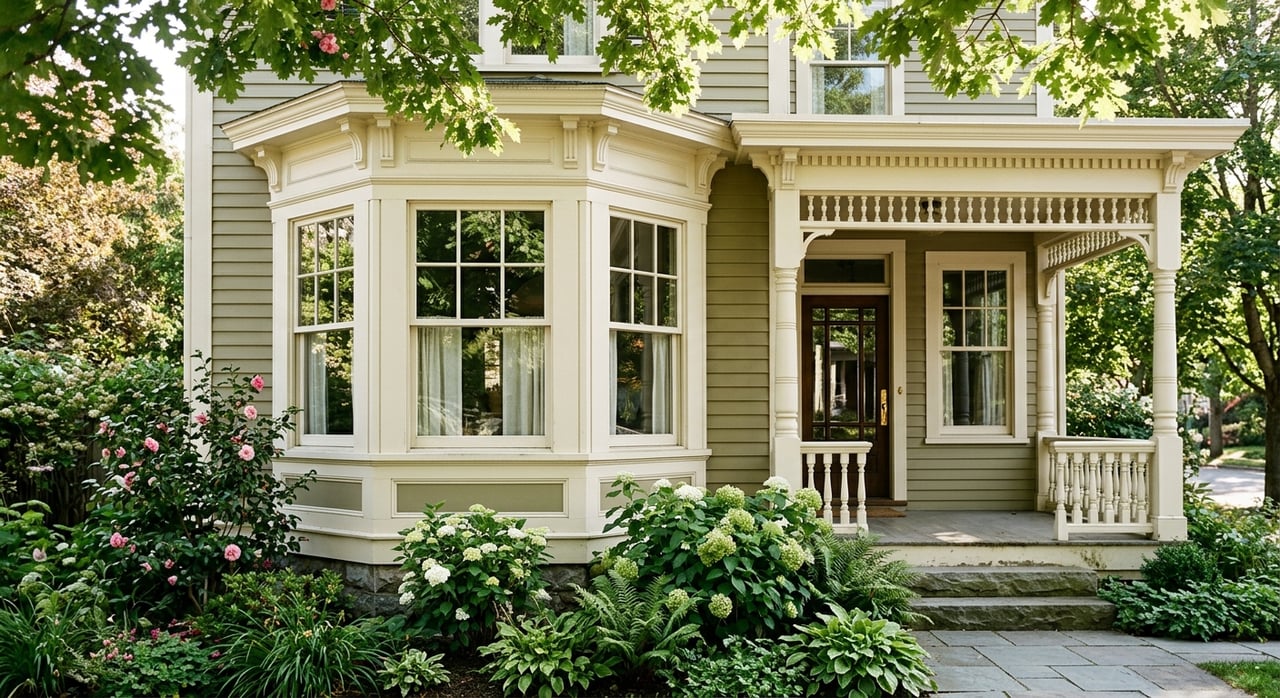
Expect period homes with charm: Victorians, Craftsman bungalows, Mediterranean styles, and some mid‑century properties. Many have front porches and period details on narrower, tree‑lined blocks. Renovations are common, so look closely at foundations, seismic updates, electrical and plumbing, and whether remodeling work was permitted.
Bay Farm homes
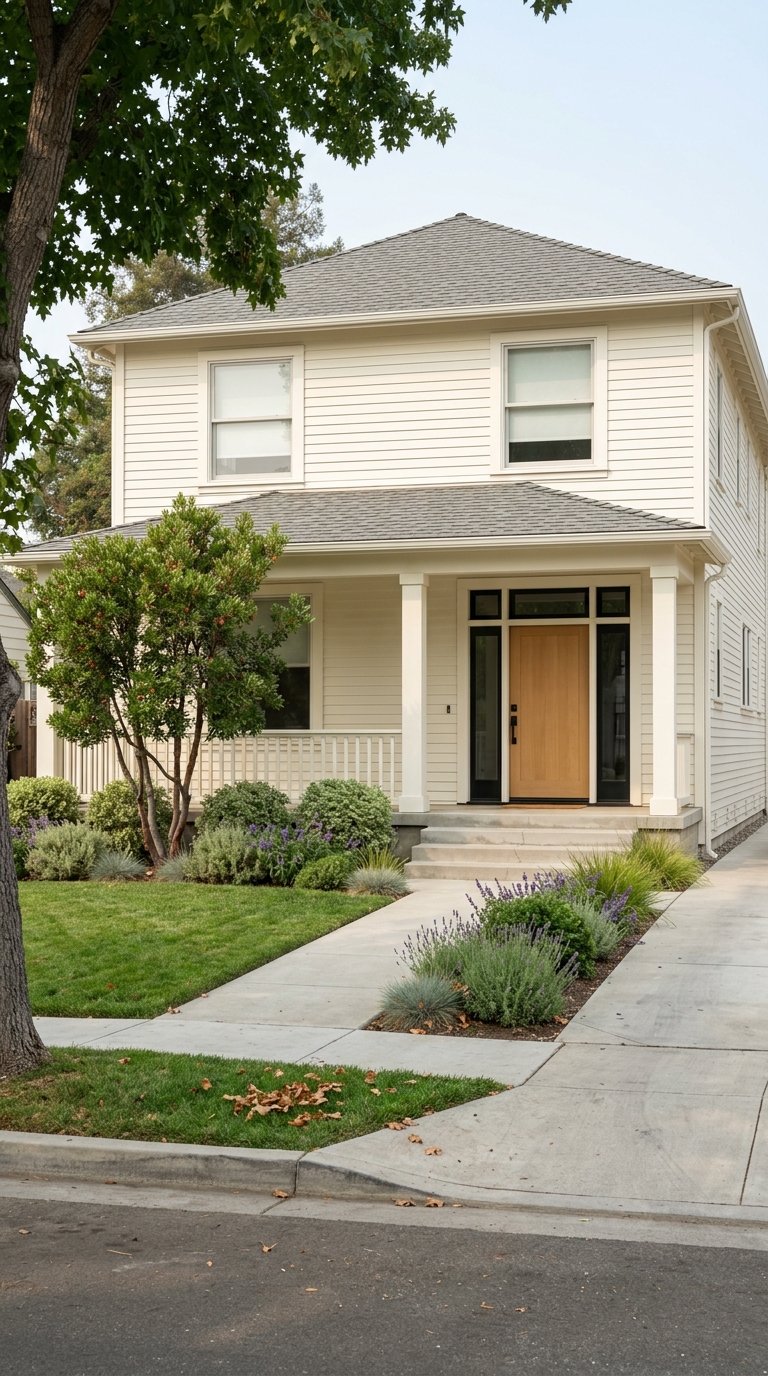
Most housing was built post‑1940s through late 20th century. You will find ranch‑style single‑family homes plus a healthy mix of townhomes and condos within HOA communities. Yards can be larger than central East End lots, and the neighborhood layout often includes greenbelts. Review HOA rules, fees, and reserves, and consider flood elevation as part of due diligence.
Everyday amenities
East End walkability and culture
Park Street is your hub for restaurants, boutiques, and the historic Alameda Theatre, with a steady calendar of neighborhood events managed by the Downtown Alameda Business Association. Short trips to Lincoln Park, Shoreline Drive, and Crown Memorial offer simple ways to get outside between errands or after dinner. The overall vibe is lively, small‑downtown energy with plenty to do within a quick walk or bike ride.
Bay Farm parks and recreation
Bay Farm offers planned pocket parks, playgrounds, and easy access to shoreline paths. Golfers gravitate to the Corica Park complex, and residents enjoy the trail network for morning runs and sunset walks. Shopping and services are close by on the island and just over the bridge toward South Shore on the main island.
Getting around
Ferries and paid parking
Ferries are a standout Alameda advantage. Bay Farm has the Harbor Bay terminal with direct weekday service to San Francisco. East End residents typically use Main Street or Seaplane Lagoon for service into the city. Travel times commonly run about 20 to 30 minutes depending on route, and the Seaplane route has been promoted as a fast option for commuters. For the latest schedules and route details, check the City’s Getting Around Alameda page. If you plan to drive to the ferry, review current paid‑parking rules, which the City rolled out to manage demand and fund security at certain lots. See the latest ferry terminal parking policies before you set your routine.
Driving, BART, and the airport
There is no BART station on Alameda’s islands. The closest stations are in Oakland, and most drivers use the Posey and Webster Street tubes to reach I‑880 and nearby BART hubs. Learn more about these key corridors here: Posey and Webster Street Tubes. Bay Farm is also the closest Alameda neighborhood to Oakland International Airport, which is helpful for frequent flyers.
Noise and environmental due diligence
Airport noise and mitigation
Bay Farm residents have long engaged with the Port of Oakland about aircraft noise. A recent settlement between the City, the Port, and community groups addressed mitigation during the airport’s terminal modernization. If you are sensitive to sound, review the latest updates from local reporting, such as this noise settlement summary, and test the area at different times of day.
Flood and sea‑level rise
Alameda’s shoreline areas, including parts of Bay Farm, are part of regional sea‑level rise planning. Before you buy, check FEMA flood maps and regional resources like the Adapting to Rising Tides program to understand parcel‑level risk and insurance needs. Start with the ART subregional project overview and browse the latest maps and data.
Ferry parking and HOA policies
If you will use Harbor Bay or Seaplane ferries, review current ferry parking rules because paid‑parking policies have changed in recent years. For Bay Farm communities, request full HOA documents early, including financials and rules, to understand costs and lifestyle fit.
Which one fits your life? Scenarios
- Daily SF commuter: Bay Farm’s Harbor Bay ferry is a straight shot to the city on weekdays, while East End access to Seaplane Lagoon or Main Street can also be efficient. Test your full door‑to‑desk commute, including parking or walk time. For live options, see Getting Around Alameda.
- Family that wants walkable errands: East End near Park Street offers short strolls to dining, services, and community events. Confirm school boundary details for your specific block through Alameda Unified’s current resources.
- Frequent flyer: Bay Farm puts you closest to Oakland International Airport. Balance convenience with your sensitivity to aircraft noise, and review recent mitigation updates.
- Downsizer seeking low maintenance: Bay Farm’s townhome and condo inventory with HOA coverage can be appealing. Compare fees, reserve strength, and any community rules that affect your day‑to‑day.
Buyer checklists
East End checklist
- Check proximity to Park Street, Crown Memorial, and preferred parks.
- Inspect period details and structure: foundation, seismic, roof, electrical, and plumbing.
- Confirm whether past remodels were permitted and finaled.
- Evaluate on‑street parking patterns and driveway access.
- Verify school boundaries for your specific address.
- Pull recent micro‑neighborhood comps before writing offers.
Bay Farm checklist
- Review HOA covenants, restrictions, dues, and reserve studies.
- Note yard size, lot elevation, and any flood‑insurance needs.
- Test commute to the Harbor Bay ferry and confirm paid‑parking rules.
- Consider aircraft noise patterns and timing.
- Verify address‑level school assignments and capacity with the district.
Checks for both neighborhoods
- Pull 6 to 12 months of MLS comps by micro‑area and property type.
- Review FEMA flood maps and regional sea‑level‑rise data via ART.
- Ask sellers about foundation, soil, and major system upgrades.
- Visit during morning and evening commute windows.
- Scan neighborhood event calendars and social pages to get a feel for the vibe.
Next steps
Your best choice depends on how you want to live, commute, and spend your weekends. East End offers historic charm and walkable energy. Bay Farm delivers suburban ease, trails, and a commuter‑friendly ferry. If you want a clear plan, we will help you compare real‑time comps, ferry options, HOA details, and neighborhood fit, and we are happy to walk you through it in English or Mandarin. Reach out to the Sophia Niu Group to request a free home valuation and neighborhood consultation.
FAQs
What are typical home prices in East End vs. Bay Farm?
- Recent snapshots show the East End around about $1.2M, with Bay Farm generally lower due to its condo and townhome mix; verify current MLS comps by property type before you bid.
How long is the ferry commute from Alameda to San Francisco?
- Typical trips are about 20 to 30 minutes depending on the route, and the Seaplane service is promoted as a fast option; check the City’s live updates under Getting Around Alameda.
Is there BART on Alameda, and how do I reach it?
- There is no BART station on the island; most drivers use the Posey and Webster Street tubes to reach Oakland stations like Fruitvale or Coliseum.
Are parts of Alameda at risk for flooding or sea‑level rise?
- Shoreline areas, including sections of Bay Farm, are part of regional planning for sea‑level rise; review FEMA maps and the ART program’s project overview and maps and data.
What should I know about airport noise on Bay Farm?
- Aircraft noise varies by location and time of day; a recent noise‑mitigation settlement tied to airport modernization is noted in local reports, so test the area in person and review this noise settlement summary.