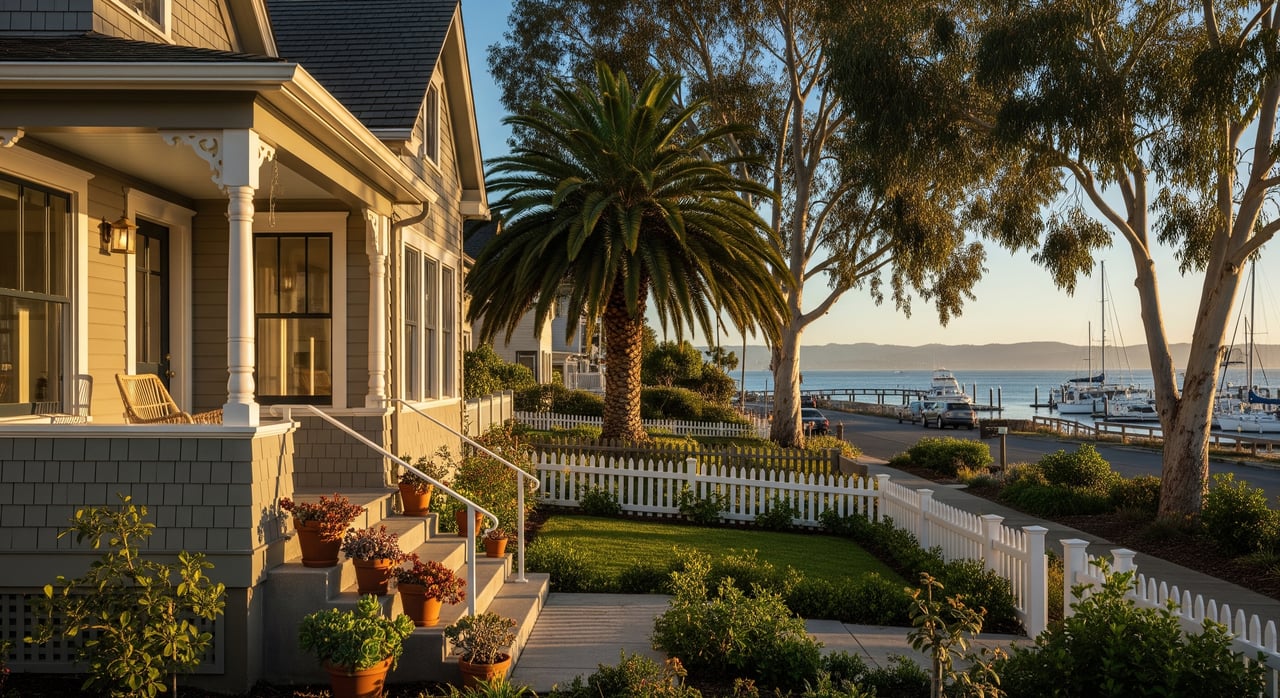
Do you picture your weekends by the water, with room to breathe and easy access to the Bay? If so, Alameda’s West End might feel like home the moment you arrive. You want a neighborhood that balances calm streets, shoreline parks, and practical commute options without giving up island charm. In this guide, you’ll learn what daily life looks like, the types of homes you can find, how you’ll get around, and how ongoing redevelopment at Alameda Point shapes the future. Let’s dive in.
West End at a glance
The West End sits at the western tip of Alameda Island, including the Alameda Point area, which is the former Naval Air Station. You’ll notice a relaxed rhythm compared with the busier commercial corridors on the East End. Weekdays start with commuters heading toward Oakland or San Francisco, while daytime brings beach walks, school drop-offs, and marina activity. Weekends ramp up with beachgoers, dog-walkers, sailing, kite-flying, and events around Alameda Point.
The neighborhood blends older residential blocks, waterfront parks, marinas, and former base land that is being redeveloped. The result is a mix of historic character and new construction, with an open, waterfront feel that many people appreciate.
Homes and architecture
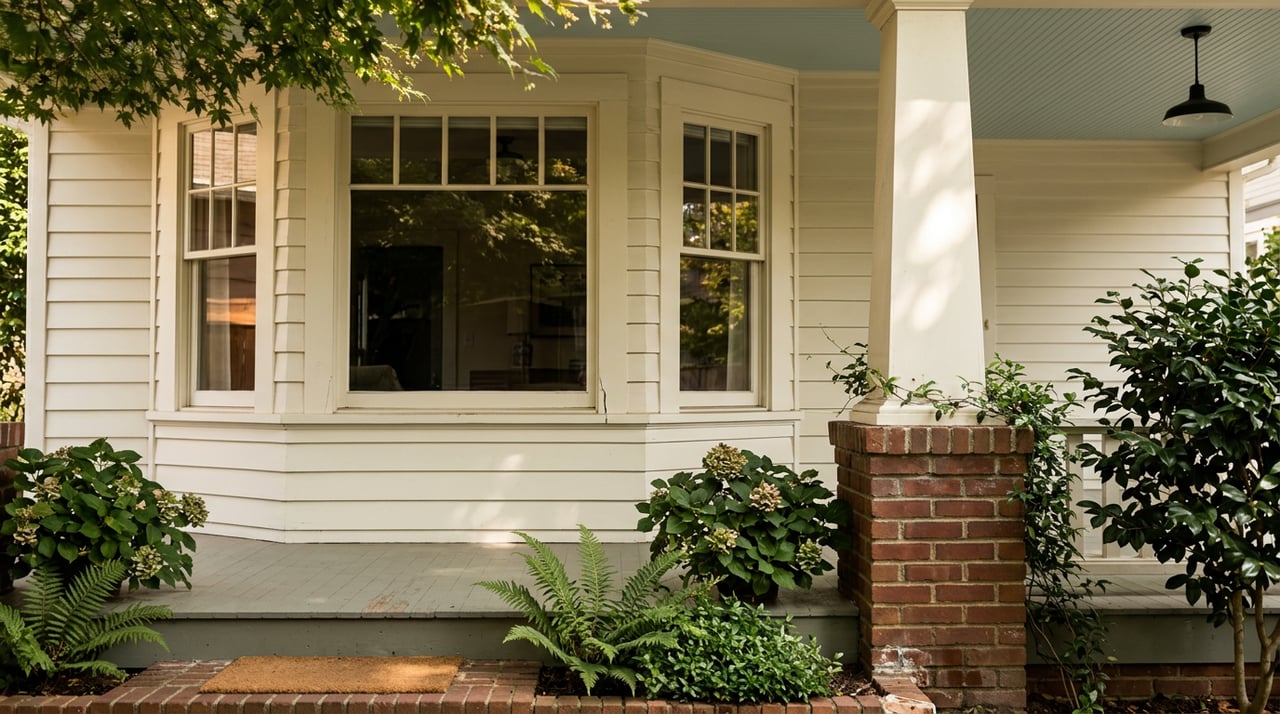
You have range here. Traditional single-family homes include Victorians with period details and Craftsman bungalows, plus mid-20th-century cottages on modest lots. You’ll also see duplexes, triplexes, and small apartment buildings tucked into residential streets.
Closer to the shoreline and Alameda Point, newer townhomes and condo communities introduce modern finishes and efficient layouts. Some properties offer marina or water views, especially near the Seaplane Lagoon and shoreline promenades. If you prefer move-in-ready contemporary spaces, the redeveloped areas are worth a look. If you love architectural detail, you’ll find it on the established blocks.
As redevelopment at Alameda Point continues, expect more residential choices alongside new retail and community uses. That means a wider range of price points and features, from historic charm to modern amenities.
Outdoor life on the water
Waterfront access is the West End’s calling card. Crown Memorial State Beach stretches along the southern shoreline and is a favorite for walking, picnicking, and wind sports. On calmer days, you’ll see swimmers and paddleboarders enjoying the mellow surf. The sand and shallows make it an easy place to spend a relaxed afternoon.
On the north side, Alameda Point’s shoreline paths and Shoreline Park frame sweeping views of the Bay and the Oakland skyline. The Seaplane Lagoon area has become a hub for strolling, biking, and watching boats. If you like to be on the water, nearby marinas and yacht clubs support sailing, power boating, kayaking, and paddleboarding.
Cultural anchors add to the mix. The USS Hornet Museum, a historic aircraft carrier moored at Alameda Point, draws visitors and hosts events. The popular Alameda Point antiques and flea markets are held on former base property on a recurring schedule. These events bring energy and foot traffic, especially on sunny weekends.
Getting around and commuting
If you drive, Alameda’s tunnels and bridges connect you to Oakland and the wider East Bay. Commute times vary with Bay Area traffic, so allow extra time during peak hours. Many residents combine driving with transit for flexibility.
For San Francisco commuters, the San Francisco Bay Ferry serves Alameda terminals on the island. The ferry is a comfortable way to reach the city, and schedules can shift seasonally, so you’ll want to confirm current routes and times. AC Transit bus lines connect the West End to BART stations and Oakland destinations. Coverage varies by street, and some trips may involve a short drive or bike ride to a transit hub.
There is no BART station on the island. Your nearest stations are in Oakland, typically reached by car, bus, or bike. Many West End residents use bicycles for local errands and shoreline commutes. Sidewalks and neighborhood streets make it easy to walk to parks, marinas, and small markets, though you’ll likely drive to larger shopping districts.
Everyday amenities and errands
Compared with the East End’s Park Street corridor, the West End has fewer concentrated retail blocks. You can handle basics at neighborhood markets, coffee spots near the marina, and small clusters of shops. For wider dining and grocery options, you’ll often head to Webster Street, Park Street, or nearby Bay Farm.
Families appreciate the island’s recreation programs, beach and park activities, and youth leagues. The neighborhood is served by Alameda Unified School District. Because school boundaries and policies can change, you should consult the district for current information and enrollment steps.
Community life is active year-round. Island-wide events such as summer fairs, the Art & Wine Faire, the Fourth of July celebration, and recurring Alameda Point markets bring neighbors together. You will also find local groups focused on waterfront stewardship and the area’s military history.
Development at Alameda Point
The former Naval Air Station is a defining part of the West End and a central focus for redevelopment. Projects include new housing, commercial space, open areas, and adaptive reuse of historic hangars. As phases roll out, you can expect more residents, new retail, and expanded public spaces.
This evolution can affect traffic patterns and service availability over time. If you are buying or selling, it helps to stay informed about project timelines and planned uses as outlined by City of Alameda planning processes. Newer infrastructure in redevelopment zones may differ from older blocks, which often reflect typical Bay Area utility and street conditions for established neighborhoods.
Environmental and practical considerations
Much of Alameda is low-lying, and shoreline proximity means some parcels may be in FEMA-designated flood zones or subject to future sea-level-rise planning. Before you buy or sell, review flood maps, local resilience plans, and the disclosures in your transaction paperwork. Your insurance and long-term maintenance plans should reflect site-specific conditions.
If you plan renovations, you will work with the City of Alameda for building permits and design approvals. Historic homes can have additional guidelines, especially for exterior changes. Planning ahead with clear scope and timing helps you keep projects on track.
West End vs other parts of Alameda
- East End and Park Street: East End is the island’s historic commercial hub, with more restaurants, shops, and frequent transit connections. West End offers a quieter feel with waterfront parks and marinas, plus a growing set of amenities at Alameda Point.
- South Shore and Bay Farm: Bay Farm has a suburban layout, larger planned developments, and a shopping center. West End places you closer to the beach and marinas, with a strong maritime character.
- Central and North Alameda: Central areas mix historic homes and neighborhood retail. West End’s identity leans on open shoreline, marina life, and the transformation of former base land into new housing and public spaces.
Is the West End right for you?
Choose the West End if you want water at your doorstep, daily access to shoreline paths, and a mellower pace on an island close to Oakland and San Francisco. You’ll find a wide mix of homes, from charming Victorians and Craftsman bungalows to modern townhomes and condos at Alameda Point. The neighborhood rewards you if you enjoy outdoor time, simple errands, and a community that comes together for markets and events.
If you are thinking about a move, local guidance makes a real difference. The team at the Sophia Niu Group lives and works on the island, and we pair neighborhood insight with polished marketing and patient, bilingual service. Reach out to explore homes, compare micro-neighborhoods, or request a tailored valuation.
FAQs
How does commuting to San Francisco work from Alameda’s West End?
- Many residents take the San Francisco Bay Ferry from Alameda terminals for a direct ride to the city, while others drive to nearby BART stations in Oakland or use AC Transit connections. Schedules and traffic vary by time of day.
Which schools serve the West End of Alameda?
- The neighborhood is served by Alameda Unified School District. Because boundaries and enrollment policies can change, check the district’s current maps and enrollment steps when planning a move.
What is happening with redevelopment at Alameda Point?
- The former Naval Air Station is being transformed in phases with new housing, commercial uses, open space, and adaptive reuse of historic hangars. Timelines and details are set by the City of Alameda and participating developers.
Is flooding or sea-level rise a factor for West End properties?
- Some parcels may fall within FEMA flood zones or local sea-level-rise planning areas due to the island’s low elevation and shoreline proximity. Review official maps, city resilience plans, and your property’s disclosures.
What year-round recreation can I expect in the West End?
- You can enjoy Crown Memorial State Beach, shoreline paths and parks, marinas for boating and paddling, the USS Hornet Museum, and recurring Alameda Point markets. Activity levels vary by season and event schedules.