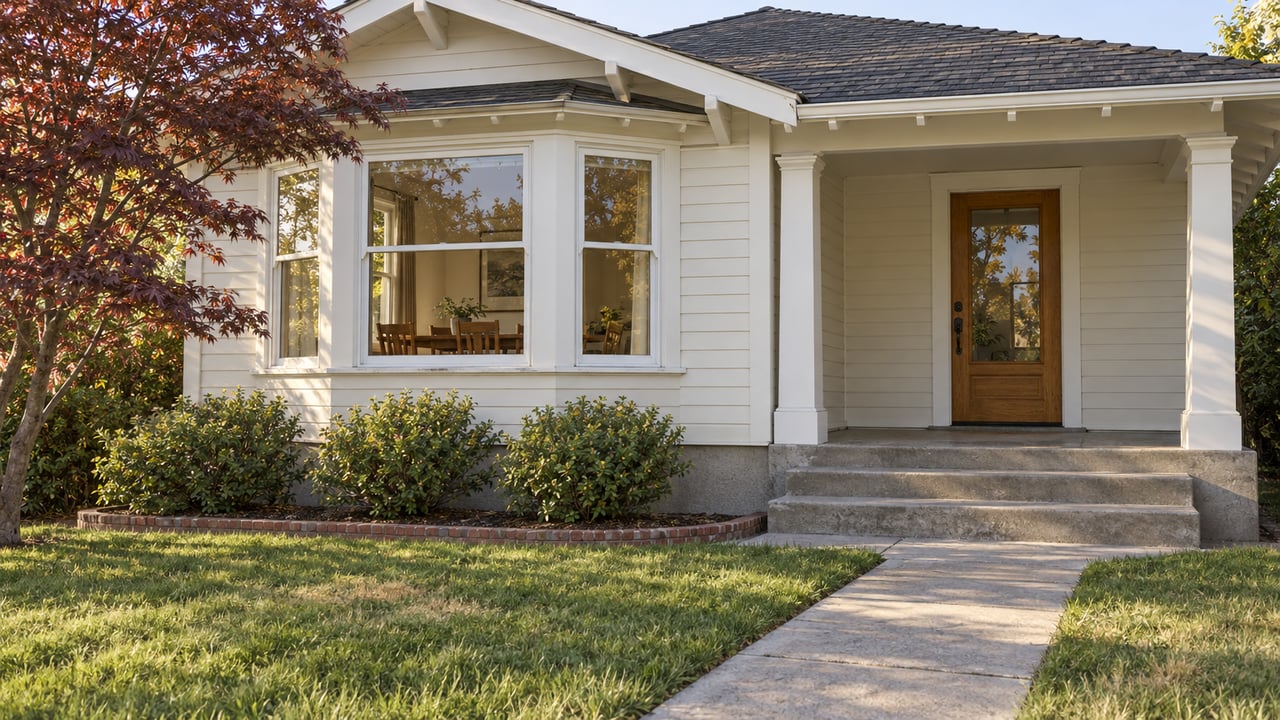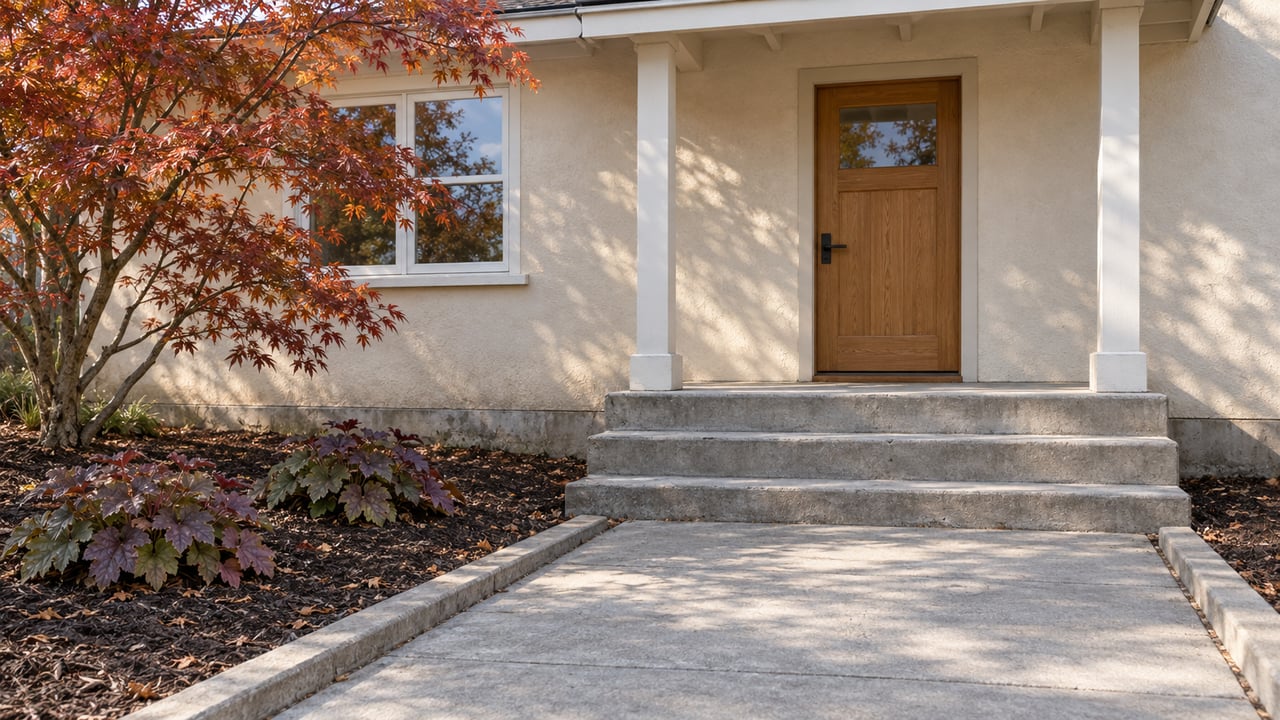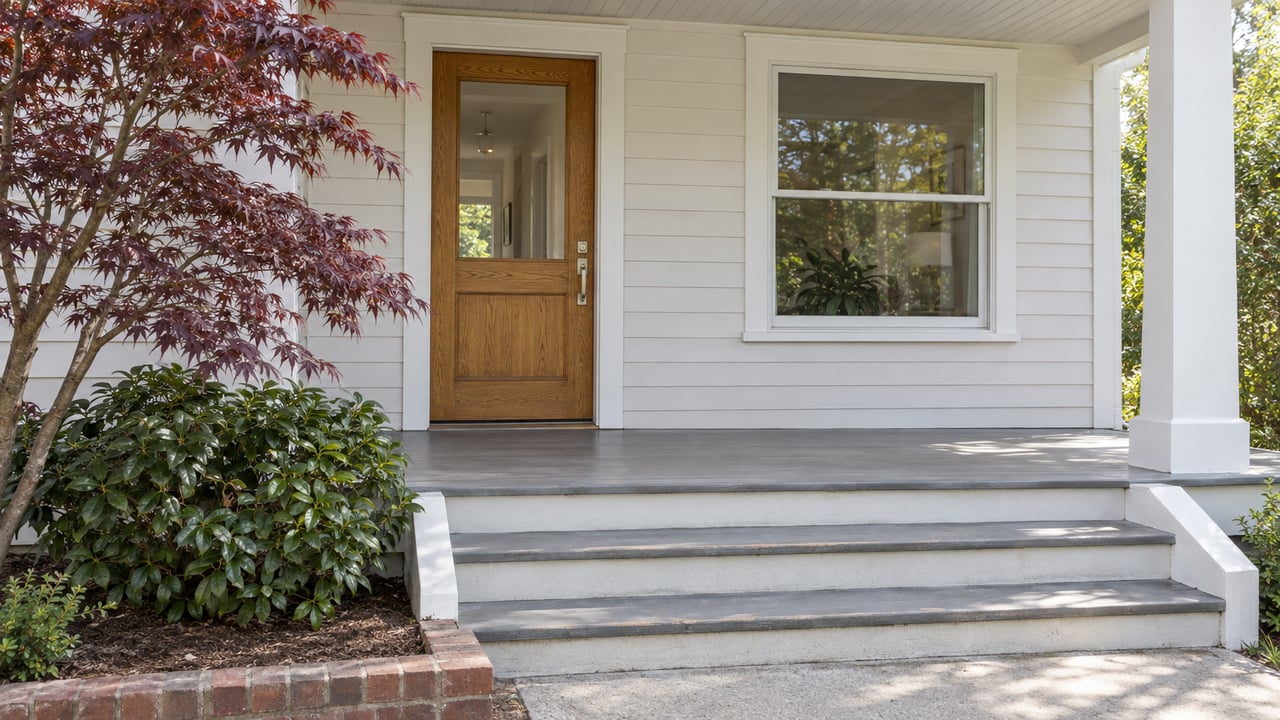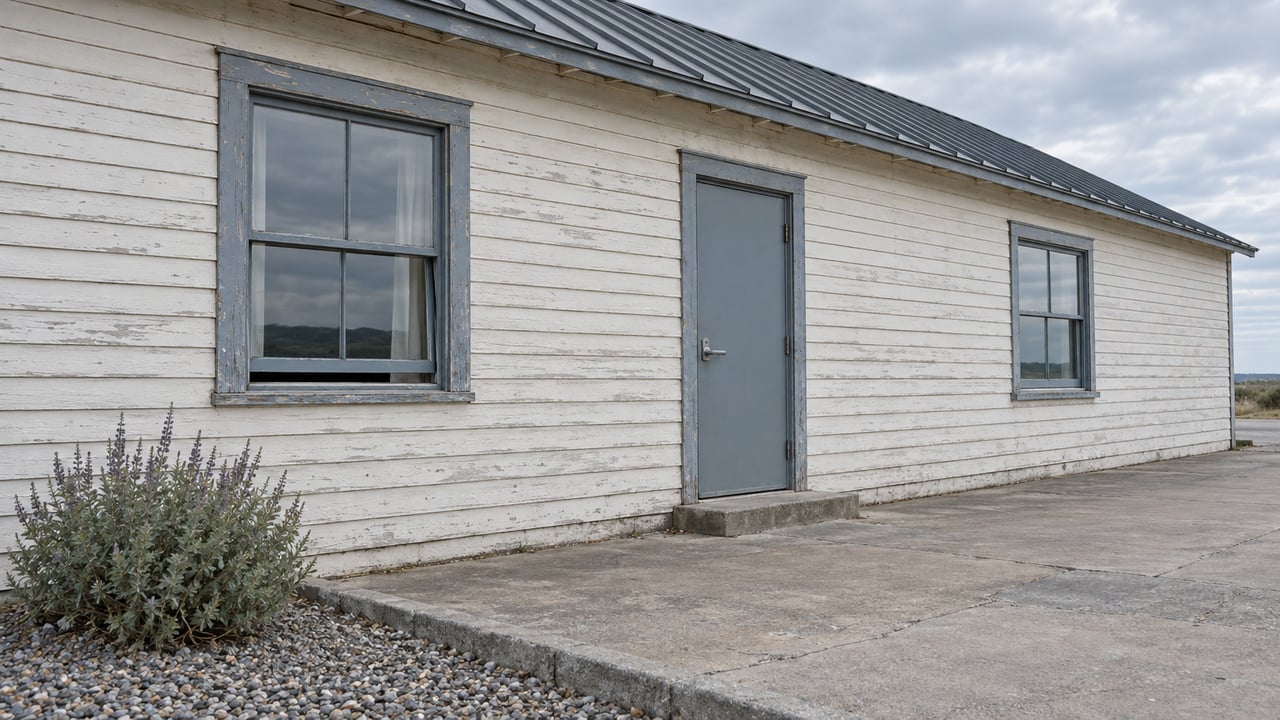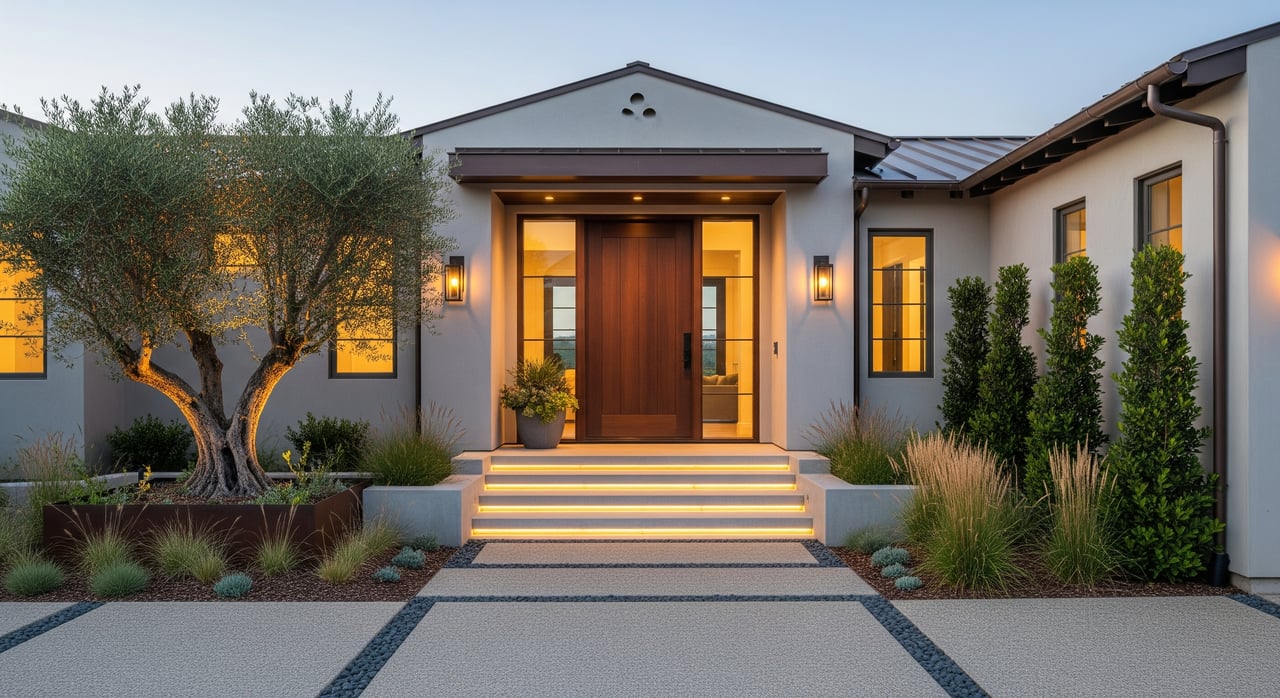
Is your Bronze Coast home charming on the inside but a little quiet from the curb? You are not alone. Many Alameda and East Bay homes carry beautiful history that deserves a thoughtful refresh, not a trendy overhaul. In this guide, you will learn simple, period-smart curb appeal upgrades that fit our climate, respect your home’s architecture, and attract today’s buyers. Let’s dive in.
Understand Bronze Coast character
Along the Oakland–Hayward–Berkeley corridor and in Alameda, you’ll find Victorians, Edwardians, Craftsman bungalows, Mediterranean stucco homes, and modest mid-century cottages. Buyers here tend to value original details, good proportions, and updates that feel true to the home. The goal is compatible, not identical: highlight what is authentic, and add new elements that match in scale, material, and color.
Our Mediterranean climate brings wet winters and dry summers, with some marine influence from the Bay. That means water-wise landscaping, corrosion-resistant fixtures near salty air, and materials that hold up over time. A clean entry, tidy plantings, and warm lighting go a long way toward making your home feel well cared for and welcoming.
Paint that honors your home
Choose a restrained palette
Start with muted, historically rooted body colors like warm grays, taupes, or soft greens and blues. Use a slightly lighter or darker trim to sharpen lines and showcase moldings. Keep accents focused on the door, shutters, or railings in deeper tones like navy, forest green, charcoal, or deep red. For guidance on preserving character-defining features, review the National Park Service Preservation Briefs and the National Trust for Historic Preservation.
Test colors in real light
Paint large swatches on the actual façade and view them morning and evening. Exterior light can shift undertones more than you expect. Use matte or eggshell on body surfaces to downplay imperfections, and satin on trim and doors for subtle contrast. If your home is in a historic district, verify whether color changes require review.
Prep before you paint
Repair or replace rotten trim and address moisture issues before painting. Clean, prime, and use high-quality exterior paint systems suited to your home’s original material, whether wood siding, shingles, or stucco. Proper preparation not only looks better but also protects historic fabric.
Landscaping that saves water
Plants that thrive here
Choose California natives and Mediterranean-climate plants that look great with minimal water. Manzanita, ceanothus, sages, rosemary, lavender, deer grass, and drought-tolerant grasses and succulents create texture and color without heavy maintenance. For local plant palettes and guidance, explore the California Native Plant Society and Alameda County’s StopWaste Bay-Friendly landscaping resources.
Paths and stormwater
Permeable pavers, decomposed granite, or narrow walkways suit older neighborhood scale and help reduce runoff. If space allows, capture roof or driveway water in a small rain garden or swale to recharge soil. For best practices on runoff and site drainage, check the Alameda Countywide Clean Water Program.
Low-maintenance layout
Define planting beds with crisp edges and keep taller plants from blocking windows or porch details. Use mulch to retain moisture and suppress weeds. Install drip irrigation with zones and a smart controller so you water efficiently and only where needed.
Lighting that feels welcoming
Layered and warm
Create a simple lighting layer cake: shielded path lights for safety, a porch fixture for visibility, and gentle accents if you want to highlight a doorway or column. Choose warm LEDs at 2700K to 3000K to flatter paint colors and plantings. Keep brightness modest and focused to respect neighbor sightlines.
Fixture style and energy
Match fixture scale and finish to your architecture. Simple bronze or black fixtures work well for Craftsman and mid-century homes, while classic lantern profiles complement Victorians and Mediterranean homes. For neighbor-friendly choices and night-sky guidance, see DarkSky’s outdoor lighting basics.
Entry upgrades with big impact
Door, hardware, and numbers
A freshly painted or refinished front door in a period-appropriate accent color signals care and style. Upgrade hardware in durable finishes like aged brass or oil-rubbed bronze, and consider restoring original pieces if you have them. Add clear, attractive house numbers and a mailbox that match your home’s era and are easy to read from the sidewalk.
Security and accessibility
Integrate a smart deadbolt, peephole, or low-threshold entry discreetly so the look remains traditional. A small bench or chair on a porch can feel welcoming when scaled properly. Keep sightlines open so the entry is visible and safe.
Fences, gates, and steps that fit
Choose materials and heights that align with your home’s period and street context. Picket fences suit cottages and bungalows, while low stucco or masonry walls pair well with Mediterranean styles. Ensure steps and landings are safe and slip-resistant, using brick, stone, or well-detailed concrete that complements the façade.
Permits, codes, and rebates
Historic review basics
Exterior changes that alter a façade, roofline, porch, windows, or original siding can require review. Before you start, contact your city’s planning or historic preservation office to confirm what is allowed. Cosmetic work like in-kind painting and minor landscaping usually does not need permits, but rules vary by neighborhood.
Water-smart rebates
Local utilities often offer incentives for turf removal, efficient irrigation, and drought-tolerant conversions. Check current programs through the East Bay Municipal Utility District’s conservation and rebates page or your local utility. Rebates can offset a surprising amount of your project cost.
Stormwater basics
When you change driveways or add paving, you may need to manage runoff on site. Alameda County and local cities provide guidelines for low-impact development and pollutant prevention. Start with the Alameda Countywide Clean Water Program for homeowner-friendly resources.
What buyers notice first
- A cared-for entry: clean steps, a visible house number, and a handsome door color.
- Healthy, low-water plantings that frame, not hide, the architecture.
- A clear, well-lit path from sidewalk to door.
- Crisp paint lines and repaired trim that signal good maintenance.
- Period-compatible fixtures and hardware that quietly match the home.
Project timeline and budget
- Start with repairs: fix moisture issues, gutters, and any rotten trim.
- Tackle hardscape and drainage next to avoid rework later.
- Move to exterior paint and trim repairs.
- Install plants and irrigation once painting is complete.
- Finish with lighting, hardware, and simple staging.
Budget-wise, small items like door paint, numbers, and a porch fixture deliver big visual impact. Midrange work includes a whole-house repaint, a defined entry path, and new planting beds. Larger projects like major landscaping redesign or porch reconstruction can require permits and higher budgets, so get multiple bids from pros experienced with historic homes.
A thoughtful curb appeal plan can honor your home’s story while making it shine for today’s buyers. If you want a local eye to help prioritize the highest-impact updates for Bronze Coast appeal, we are here to help. Request a free home valuation and neighborhood consultation with the Sophia Niu Group.
FAQs
Which curb appeal changes in the Bronze Coast may need permits or review?
- Any alteration to the façade, roofline, original siding, porch, or windows may require planning or historic review, so check with your city before starting.
How do I pick period-appropriate exterior paint colors?
- Use muted, historically rooted body colors with a single bolder accent on the door or trim, and test large swatches outdoors in different light.
What low-effort landscaping makes the biggest impact here?
- Define beds, plant drought-tolerant natives, create a clear path to the door, and refresh the entry with visible house numbers and a new porch light.
Are modern materials acceptable on older East Bay homes?
- Yes, if they match original scale, texture, and details; on protected properties you may need approvals, but buyers prioritize compatibility and quality.
How can I make curb appeal upgrades more sustainable?
- Choose native and drought-tolerant plants, drip irrigation with smart controls, permeable paths, and warm LED lighting that follows DarkSky guidance.