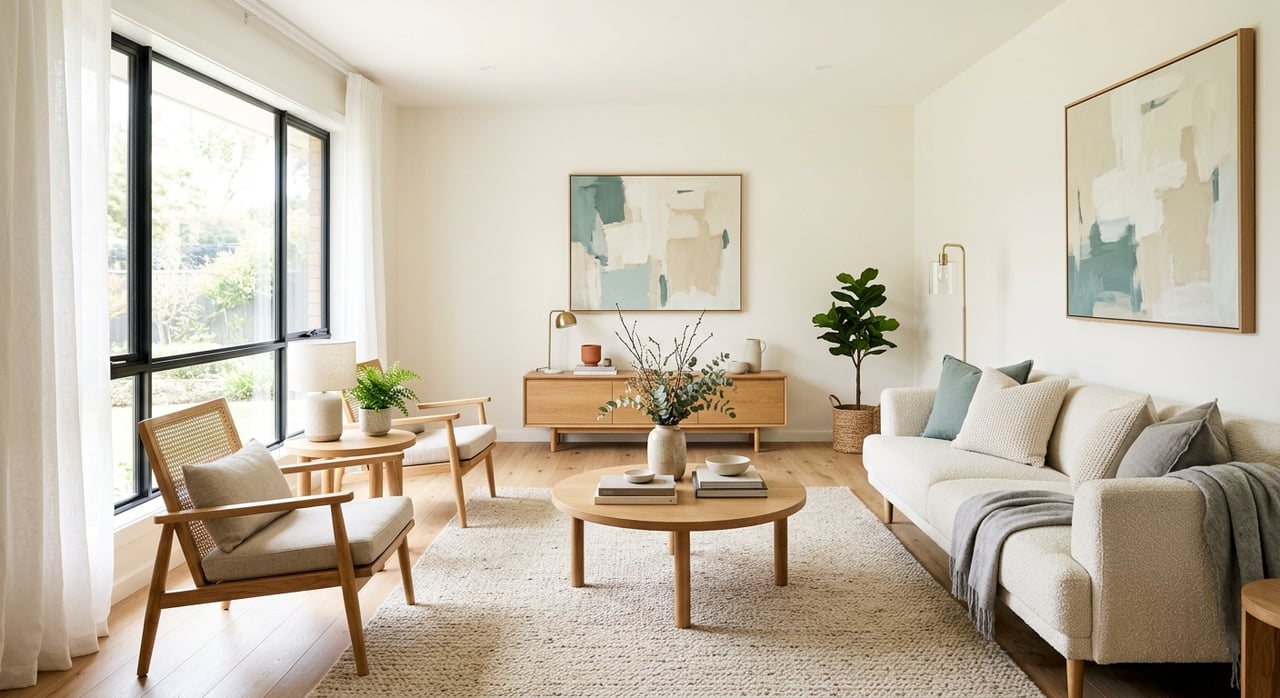
Selling in Gold Coast is not the same as selling just anywhere in Alameda. In a neighborhood known for distinctive older homes and a premium price point, buyers notice details fast. If you want your home to stand out, smart preparation can help you protect its character, sharpen its presentation, and create stronger first impressions. Let’s dive in.
Why prep matters in Gold Coast
Gold Coast is a small, premium submarket, which means each listing can feel highly visible. Redfin’s March 2026 snapshot showed a median sale price of $1,474,500, 45 days on market, and a 99.9% sale-to-list ratio, with only six homes sold that month.
That small number of sales matters. It means market stats can shift quickly, and your home may need more thoughtful presentation and pricing discipline than a typical listing in the broader Alameda market. In the same period, Alameda-wide figures showed about 17 days on market and a $1.0M median sale price.
For you as a seller, the takeaway is simple: preparation is not just cosmetic. In Gold Coast, prep helps your home compete on presentation while honoring what makes it special.
Gold Coast character should guide updates
Gold Coast sits within one of Alameda’s most architecturally rich areas. The city describes it as being among Alameda’s finest existing Victorian neighborhoods, and Alameda also notes its mature street-tree system and historic housing stock.
That local character should shape how you prepare your home for sale. The goal is not to strip away charm or make an older home feel generic. Instead, you want buyers to see period details, care, and livability working together.
In practical terms, that often means highlighting features like woodwork, original trim, tall windows, and inviting curb appeal. Clean lines, lighter rooms, and better flow can help historic character feel intentional rather than dated.
Check historic rules before exterior work
Before making exterior changes, it is important to confirm whether your property is subject to local historic rules. Alameda’s Historic Preservation materials say certain buildings and resources are subject to the Historical Building Code, and the city’s State Historical Building Code page says all buildings constructed before 1942 are subject to that code.
The city’s Residential Design Guide also says exterior improvements generally require Design Review approval unless exempted. It emphasizes preserving original materials where possible and using compatible replacement materials when restoration or repair is needed.
For sellers, this is especially important before changing windows, trim, façade details, roofing, or other visible exterior elements. If you are preparing a Gold Coast home for market, it is wise to verify what is allowed before starting exterior projects.
Start with decluttering and depersonalizing
One of the most effective first steps is also one of the simplest. Remove excess furniture, personal collections, and items that make rooms feel smaller or more crowded than they are.
When buyers walk through, they want to understand room size, circulation, and function. A cleaner visual field helps them focus on the home itself instead of your belongings.
This is also where moving and storage can make a real difference. Compass Concierge includes services such as decluttering, deep-cleaning, and moving and storage, which can help streamline this early phase of prep.
Staging research supports this step. NAR’s 2025 staging report found that 83% of buyers’ agents said staging made it easier for buyers to visualize the property as a future home.
Focus on light updates, not major remodeling
In many Gold Coast homes, a full remodel is not necessary before listing. Often, the better strategy is to make selective, high-visibility improvements that improve condition and presentation without disrupting the home’s architectural identity.
Good examples include:
- Interior paint
- Exterior paint where appropriate
- Floor repair
- Carpet cleaning or replacement
- Landscaping refresh
- Pest control
- Minor electrical repairs
- Minor plumbing repairs
- Selective kitchen updates
- Selective bathroom updates
Compass Concierge lists these kinds of services among its covered options. For older homes in particular, compatible updates usually perform better than changes that feel out of place with the original design.
Prioritize the rooms buyers notice first
Not every room needs the same level of attention. If you are deciding where to invest time and money, start with the spaces buyers tend to notice most.
According to NAR’s 2025 staging report, the living room, primary bedroom, and dining room were the most commonly staged areas. Those spaces often do a lot of work in a Gold Coast home because they help buyers understand everyday comfort, scale, and how original architecture supports modern living.
In this neighborhood, staging should help buyers notice light, flow, and craftsmanship. That may mean simplifying furniture layouts, improving sightlines, and letting period details stand out instead of competing with heavy décor.
Make curb appeal feel cared for
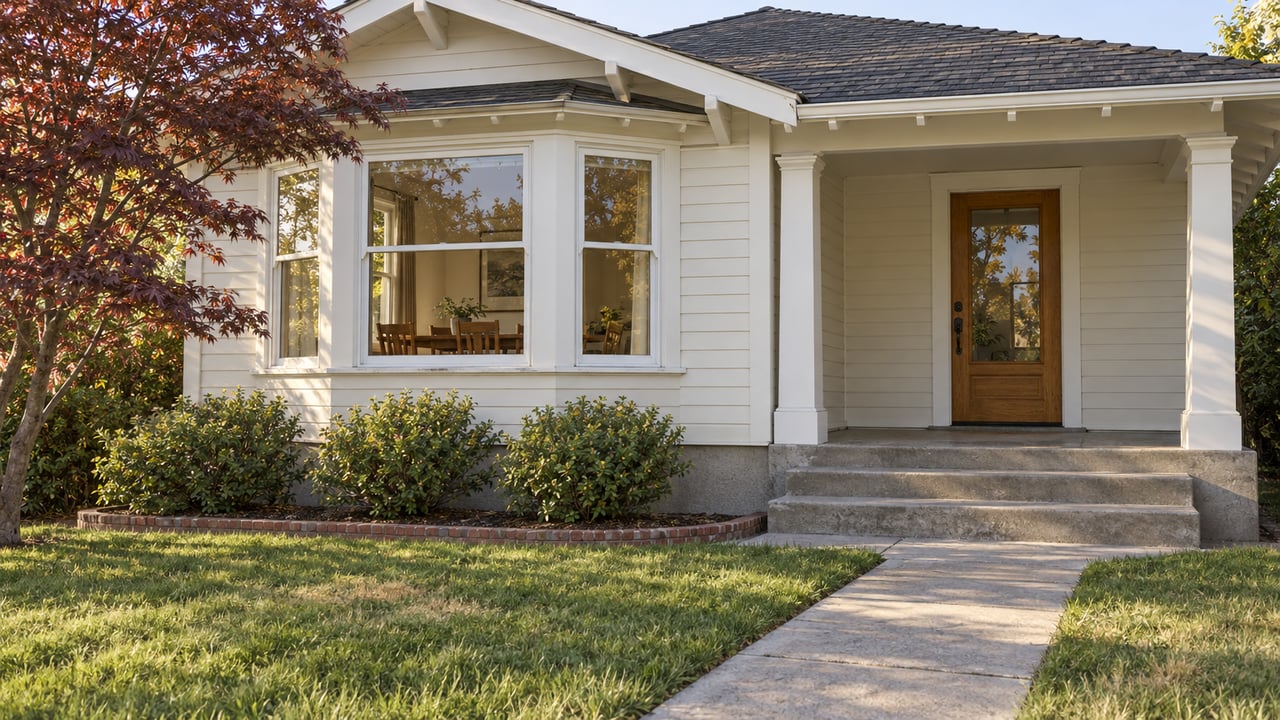
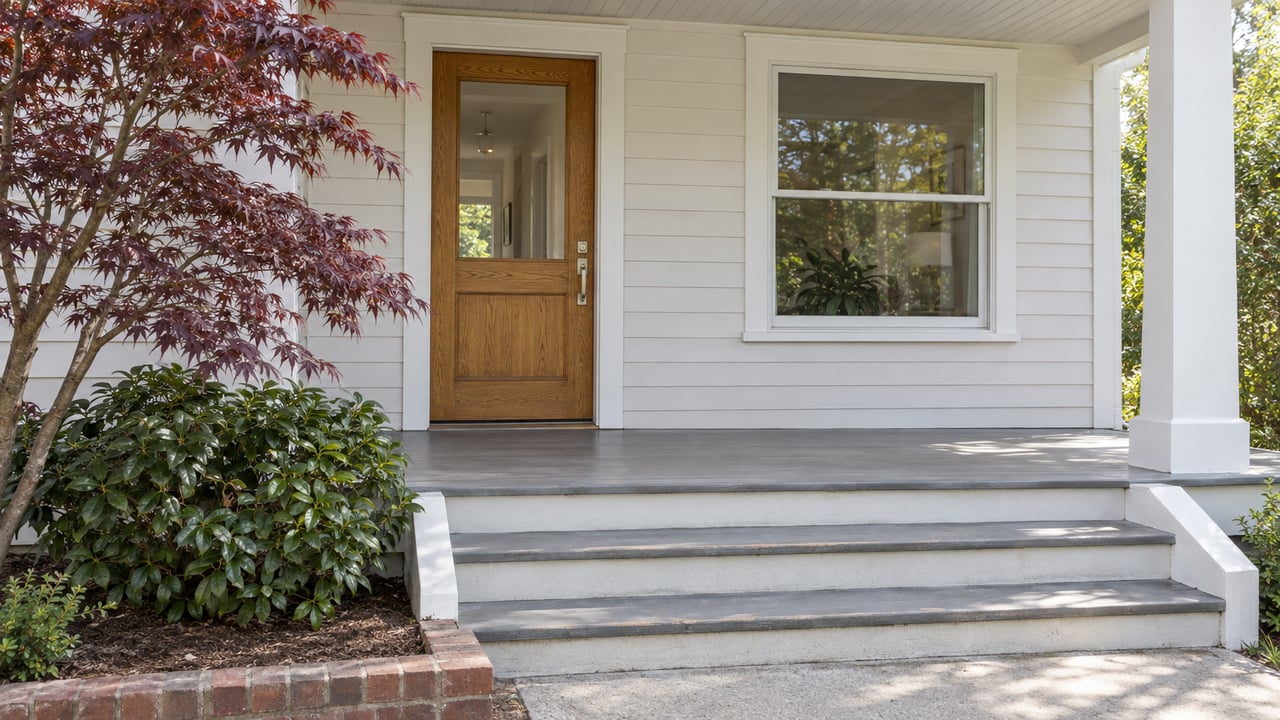
First impressions begin before a buyer walks through the front door. In a neighborhood with mature trees, historic façades, and strong architectural identity, exterior presentation can influence how buyers feel before they even step inside.
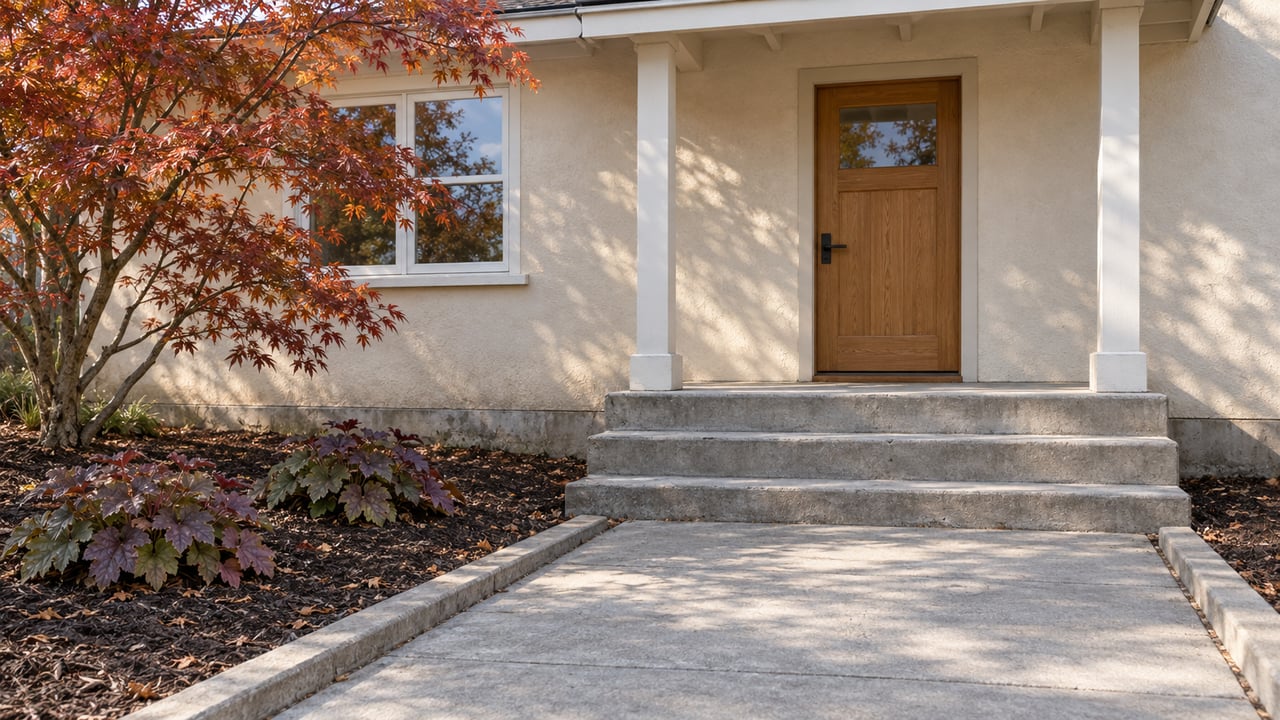
That does not always require a large project. Often, simple steps like tidying landscaping, refreshing paint where appropriate, cleaning walkways, and making the entry feel welcoming can have a meaningful impact.
The key is consistency. If the exterior suggests care and maintenance, buyers are more likely to assume the same is true inside.
Stage before photos and before launch
Once the home is decluttered, updated, and staged, the next step is photography. Timing matters here because listing photos are often your first showing.
NAR’s 2026 visibility article says 52% of buyers found the home they purchased online, nearly half said their search started there, and 81% rated listing photos as the most useful feature during their online search. It also notes that early activity in the first few days after launch carries outsized weight.
For a Gold Coast property, this means your first images should showcase what makes the home memorable. That may be curb appeal, a striking Victorian detail, or a bright interior room with beautiful scale and flow. Photos should be taken only after the home is truly ready.
Use a launch plan that builds momentum
Preparation and marketing should work together. If your home needs time for cleaning, staging, repairs, or final detailing, a phased launch can help you build interest without rushing the process.
Compass says sellers can begin as Private Exclusives or Coming Soon before going live on the MLS and third-party sites. That approach can help create awareness while the home is still being prepared for its full public debut.
In a neighborhood like Gold Coast, where each listing can attract careful attention, a thoughtful launch sequence can help preserve momentum. The goal is to go live when the home is polished, photographed well, and positioned to make a strong impression right away.
How Compass Concierge can help
For some sellers, the biggest challenge is not deciding what to do. It is paying for prep work upfront while also planning a move. That is where Compass Concierge can be useful.
Compass Concierge is best understood as a prep-budget tool for targeted listing improvements. Compass lists more than 100 possible services, including staging, decluttering, deep-cleaning, cosmetic renovations, landscaping, interior and exterior painting, flooring and carpet work, HVAC, roofing repair, pest control, moving and storage, custom closet work, fencing, electrical work, seller-side inspections and evaluations, and kitchen or bathroom improvements.
For many Gold Coast homeowners, the most valuable uses are the ones that improve presentation while protecting original character. That often includes paint, flooring touch-ups, landscaping, storage, selective repairs, and staging support.
Compass also says Concierge is paid at closing, listing termination, or after 12 months, subject to program terms, and that fees or interest may apply depending on the state. If you are considering this option, it helps to review the program details as part of your sale strategy.
A smart prep plan for Gold Coast sellers
If you are preparing to sell in Gold Coast, the most effective strategy is usually not the flashiest one. It is the plan that makes your home feel clean, well cared for, architecturally consistent, and ready for buyers from the moment it hits the market.
That means focusing on what buyers actually respond to: uncluttered rooms, lighter presentation, strong photos, visible maintenance, and updates that support the home’s style instead of competing with it. In a premium historic neighborhood, thoughtful restraint often works better than over-improving.
When you pair neighborhood-specific guidance with a clear prep roadmap, you give your home the best chance to stand out for the right reasons. And in a market where first impressions matter, that can make a real difference.
If you’re thinking about selling your Gold Coast home and want a prep strategy tailored to your property, the Sophia Niu Group can help you map out the right updates, staging approach, and launch plan with local Alameda insight.
FAQs
What home prep matters most for a Gold Coast sale?
- The most important steps are usually decluttering, deep-cleaning, selective repairs, light cosmetic updates, staging key rooms, and strong listing photos taken after the home is fully prepared.
Should you remodel before selling a Gold Coast home?
- In many cases, selective updates work better than a full remodel. Light improvements like paint, flooring touch-ups, landscaping, and minor repairs can improve presentation without disrupting the home’s architectural character.
Do historic rules affect Gold Coast home improvements?
- Yes. Alameda says certain buildings and resources are subject to the Historical Building Code, all buildings built before 1942 are subject to the State Historical Building Code, and exterior improvements generally require Design Review approval unless exempt.
Which rooms should you stage in a Gold Coast home?
- NAR’s 2025 staging report found the living room, primary bedroom, and dining room were the most commonly staged spaces, making them good places to focus your efforts.
Can Compass Concierge help prepare a Gold Coast listing?
- Yes. Compass Concierge can cover many listing-prep services, including staging, decluttering, deep-cleaning, painting, flooring, landscaping, repairs, pest control, and moving or storage support.