Wondering what day-to-day life on Bay Farm Island actually feels like? If you are trying to picture your routine here, the answer is part waterfront calm, part practical island living, with several solid commute options built into the neighborhood. This guide will help you understand the lifestyle, errands, parks, and transportation choices that shape everyday life on Bay Farm Island. Let’s dive in.
What Makes Bay Farm Island Distinct
Bay Farm Island is a separate part of Alameda with its own rhythm and layout. It connects to the rest of Alameda by the Bay Farm Island Bridge and the Bay Farm Island Bike Bridge, which is reserved for pedestrians and cyclists.
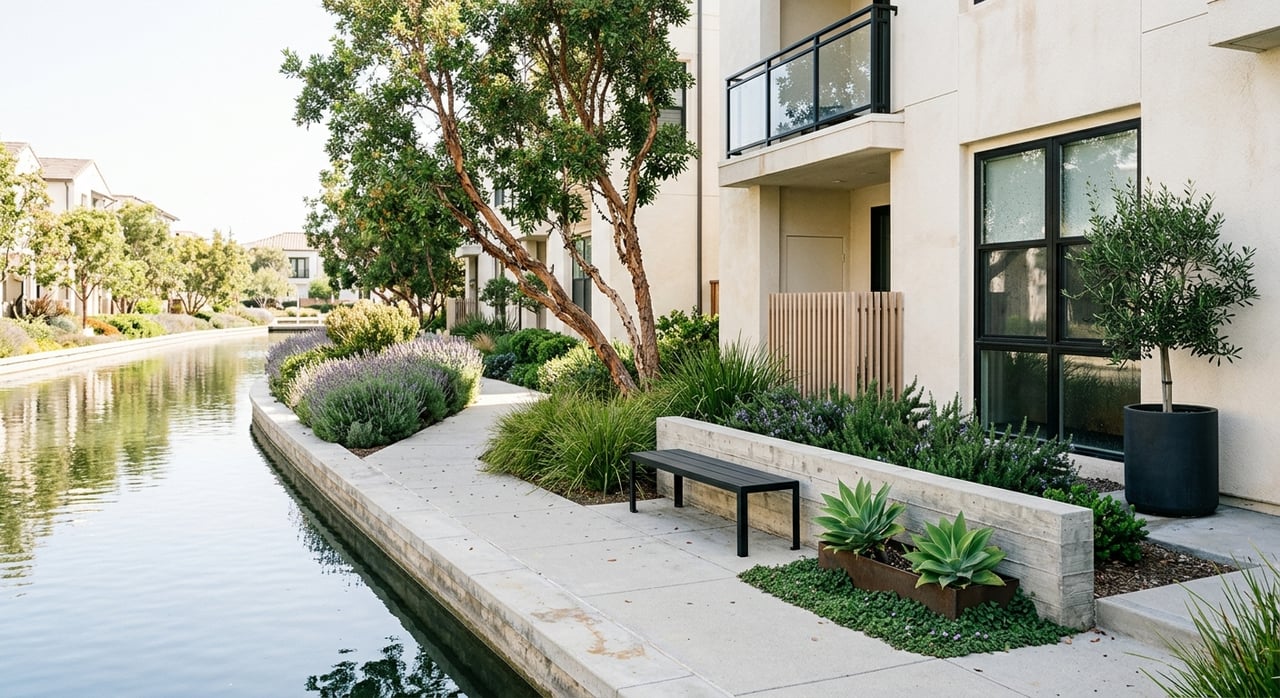
That physical separation matters in daily life. Bay Farm often feels more self-contained than mainland Alameda, with neighborhood amenities spread around the island and a strong connection to the shoreline.
Another defining feature is the waterfront setting. Shoreline Park wraps around the outer part of Bay Farm Island and offers paved walking trails, restrooms, and views toward the San Francisco skyline.
The shoreline is also more than a scenic backdrop. The City of Alameda is actively working on the Bay Farm Island Adaptation Project to address flooding, strengthen the northern shoreline and Bay Trail, and add nature-based shoreline protection.
Bay Farm Island Lifestyle at a Glance
For many buyers, Bay Farm Island appeals because everyday life can feel simple and close to home. You have parks, a library, neighborhood retail, and commute options without needing to leave the island for every task.
At the same time, Bay Farm is not trying to be the biggest shopping or dining hub in Alameda. Its lifestyle is more neighborhood-scale, while larger retail districts and broader dining choices are more concentrated on the mainland.
That balance is useful if you want a home base that supports daily routines while still keeping the rest of Alameda within reach. You get convenience for the basics, plus easy access to more options when you want them.
Parks and Outdoor Space
Bay Farm Island has several public spaces that support an active, outdoor routine. If you enjoy walking, biking, or spending time near the water, the island’s layout makes that easy to weave into your week.
Shoreline Park
Shoreline Park is one of the signature amenities on Bay Farm Island. It circles the outer edge of the island and includes paved walking trails, restrooms, and open water views.
For many residents, this is part of the neighborhood’s identity. It gives Bay Farm a strong waterfront feel and offers a straightforward place to walk, jog, or enjoy the bay scenery close to home.
Leydecker Park
Leydecker Park is one of the island’s main recreation hubs. It includes basketball courts, tennis courts, a playground, a recreation center, and paved walking trails.
That mix makes it useful for a wide range of routines. Whether you want a place to move, meet up, or spend time outdoors, it adds to Bay Farm’s practical, everyday livability.
Other Neighborhood Parks
Tillman Park sits next to Bay Farm School, and Bayport Park is on the west end of the island next to Ruby Bridges School. Together with Leydecker Park and Shoreline Park, these spaces help give Bay Farm a well-distributed network of neighborhood recreation.
Rather than relying on one central destination, the island has several smaller access points for outdoor time. That can make daily life feel more convenient, especially if you value quick access to open space.
Everyday Convenience on Bay Farm
One of the most common questions buyers ask is whether Bay Farm Island has enough on-island convenience for daily life. The short answer is yes for many basics.
Bay Farm Island Library, located at 3221 Mecartney Road, is one of the neighborhood anchors. It adds a practical civic amenity right on the island and supports the area’s day-to-day feel.
Harbor Bay Landing is Bay Farm’s main neighborhood retail node. The City of Alameda lists it at 114,800 square feet and notes a mix that includes Safeway, general retail, and restaurants.
This is important context for setting expectations. Bay Farm covers many routine errands locally, but larger shopping trips are often aimed at mainland Alameda.
Bay Farm Versus Mainland Alameda
If you are comparing Bay Farm Island with other parts of Alameda, the clearest difference is scale. Bay Farm’s amenities are focused on neighborhood needs, while mainland Alameda offers broader retail and business districts.
For example, the city’s market inventory identifies larger mainland shopping destinations such as South Shore Shopping Center at 594,000 square feet and the Park Street Business District. Those areas help explain why Bay Farm tends to feel more residential and routine-oriented in daily use.
That does not mean Bay Farm lacks convenience. It means your typical pattern may be local for groceries, parks, library visits, and some dining, then mainland-oriented for bigger shopping runs or a wider selection of stores and restaurants.
For many people, that tradeoff is part of the appeal. Bay Farm can feel more contained and waterfront-focused, while the mainland expands your options when needed.
Commuting From Bay Farm Island
Bay Farm Island offers several practical commute choices, especially if you travel to Oakland or San Francisco. The best fit depends on where you are headed and whether you prefer ferry, bus, BART connections, biking, or driving.
A helpful starting point is this: Alameda does not have its own BART station. According to the City of Alameda, there are three nearby BART stations in Oakland, and AC Transit provides connections from Alameda.
Getting to Oakland
For Oakland-bound travel, AC Transit Line 31 is the key route to know on Bay Farm. The city says Line 31 links the Fruitvale and Oakland corridor, Park Street, South Shore Center, and Bay Farm Island.
That makes it one of the most practical transit links for reaching Oakland destinations and connecting onward to BART. If your commute includes Oakland stops or a transfer, this route is central to Bay Farm mobility.
Another important asset is the Island Drive Park & Ride. The City of Alameda says it is served by multiple AC Transit lines with service to Oakland, San Francisco, BART, ferries, and schools.
There is also the Harbor Bay Business Park Shuttle to BART. The city notes that this shuttle is free, open to the public, and runs from Coliseum BART to the Harbor Bay Ferry Terminal with business park stops.
Getting to San Francisco
If you want to commute to San Francisco without driving the whole way, Bay Farm has two main transit options to know. The first is the Harbor Bay ferry.
SF Bay Ferry operates weekday service between Harbor Bay and downtown San Francisco with a published travel time of about 25 minutes. The route is weekday-only and has limited midday departures, so it is best viewed as a strong commuter option rather than an all-day, anytime service.
The Harbor Bay ferry terminal also includes practical amenities for commuters. The terminal page notes parking for 250 cars and two motorcycles, along with bike racks, secure lockers, and no overnight parking.
The second San Francisco option is AC Transit Line W. AC Transit describes Line W as connecting Bay Farm Island, Alameda, Oakland, and San Francisco along a route that includes Robert Davey Jr. Drive, Aughinbaugh Way, Mecartney Boulevard, Maitland Drive, Island Drive, Otis Drive, Willow Street, Shoreline Drive, Grand Street, 8th Street, Central Avenue, and Webster Street.
Ferry Connections and Multimodal Options
Bay Farm’s commute picture works best when you think beyond a single route. The city says AC Transit Line 31 stops in front of the Harbor Bay Ferry Terminal, which can help connect neighborhood travel with ferry service.
The Island Drive Park & Ride adds another layer of flexibility. If your schedule changes from day to day, having access to bus routes that connect to Oakland, San Francisco, BART, and ferries can be especially useful.
The Bay Farm Island Bike Bridge is another part of that broader transportation mix. Because it is dedicated to bicycles and pedestrians, it supports non-car trips between Bay Farm and the rest of Alameda.
What Buyers Should Keep in Mind
If you are considering Bay Farm Island, it helps to look at both lifestyle and logistics together. The neighborhood offers a waterfront setting, trail access, parks, and local conveniences, but it functions differently from mainland Alameda’s larger commercial areas.
You should also understand the shoreline in practical terms. It is an amenity you can enjoy, but it is also part of an active public resilience effort focused on flooding, erosion, and sea-level-rise protection.
For commuters, Bay Farm stands out because it gives you more than one path into Oakland or San Francisco. Between AC Transit connections, the Harbor Bay ferry, the Park & Ride, and public BART links through Oakland, you have options that can support different schedules.
If you are trying to decide whether Bay Farm fits your lifestyle, the real question is not just whether it is convenient. It is whether you want a more neighborhood-scale island routine with waterfront access and practical connections to the wider East Bay and San Francisco.
If you are exploring Bay Farm Island or comparing Alameda neighborhoods, the right guidance can make the decision much clearer. The Sophia Niu Group can help you understand how Bay Farm fits your commute, lifestyle, and home search goals.
FAQs
Is Bay Farm Island good for commuting to San Francisco?
- Yes. Bay Farm Island has weekday Harbor Bay ferry service to downtown San Francisco with a published travel time of about 25 minutes, and AC Transit Line W also connects Bay Farm Island, Alameda, Oakland, and San Francisco.
Can you get to Oakland from Bay Farm Island by transit?
- Yes. AC Transit Line 31 links Bay Farm Island with the Fruitvale and Oakland corridor, Park Street, and South Shore Center, and Alameda residents can also connect to nearby Oakland BART stations.
Does Bay Farm Island have everyday shopping and services?
- Yes for many routine needs. Harbor Bay Landing includes Safeway, general retail, and restaurants, and the island also has the Bay Farm Island Library plus several parks and recreation spaces.
How is Bay Farm Island different from mainland Alameda?
- The main difference is scale. Bay Farm is more neighborhood-focused for daily routines, while larger retail areas such as South Shore Shopping Center and the Park Street Business District are on the mainland.
What should buyers know about the Bay Farm waterfront?
- The waterfront is both a scenic amenity and a managed public asset. Shoreline Park provides trails and bay views, while the city is also working on shoreline protection and flooding resilience through the Bay Farm Island Adaptation Project.