Winning in Alameda’s Gold Coast often takes more than simply offering the highest price. With limited inventory, quick market pace, and many older homes that may come with extra review considerations, your offer needs to look strong, informed, and realistic all at once. If you want to compete without taking on avoidable risk, this guide will walk you through what matters most in Gold Coast and how to build an offer that sellers can trust. Let’s dive in.
Why Gold Coast Offers Need Strategy
Gold Coast is a small, sought-after Alameda neighborhood where available homes can be limited. Recent data in the research report showed only a few homes listed at one point, while Alameda overall posted a median sale-to-list ratio of 1.026 and an average of 17 days on market in March 2026.
That combination usually points to a market where clean, credible offers stand out. In other words, sellers may not just focus on price. They may also pay close attention to your deposit, timeline, contingencies, and whether your offer looks likely to close without delays.
Start With Local Market Reality
Before you decide how aggressive to be, it helps to understand the price landscape. The research report notes a Gold Coast median home value of $1,526,201, while Alameda citywide homes sold for a median of $1,080,000 in March 2026.
That gap matters because it frames seller expectations in this neighborhood. If you are shopping in Gold Coast, you should be prepared for competition and for pricing that may reflect both neighborhood demand and the character of the housing stock.
Limited supply shapes negotiations
When there are only a handful of homes available, buyers often have less room to negotiate on small points. A seller may prefer the offer that feels easiest to accept, even if another offer is only slightly higher.
That is why a winning offer is usually not just about numbers. It is about presenting terms that show you are prepared, informed, and ready to perform.
Build Your Offer on the C.A.R. Contract
In California, the standard purchase offer is typically written on the C.A.R. Residential Purchase Agreement. The research report notes that this document functions as both the offer and joint escrow instructions.
That matters because your offer is not just a price sheet. It also lays out the deposit, closing date, disclosure handling, inspections, and how certain fees are allocated.
Small terms can carry big weight
Because so much is built into the contract, every choice sends a signal. A rushed timeline can look appealing at first, but only if your lender and your due diligence plan can support it.
The strongest offers tend to be the ones that balance competitiveness with follow-through. In a neighborhood like Gold Coast, that balance is especially important.
Use Earnest Money to Show Commitment
Earnest money is one of the clearest ways to show a seller you are serious. In California, the research report states that earnest money is typically 1% to 3% of the purchase price, and the initial deposit is generally due to escrow within 3 business days after acceptance.
Escrow acts as a neutral third party, which helps protect both sides of the transaction. From a seller’s point of view, a meaningful deposit can make your offer feel more dependable.
Why the 3% benchmark matters
For owner-occupied 1-to-4 unit residential purchases, the research report notes that 3% or less is the key benchmark under California’s liquidated damages framework, and that provision must be separately signed or initialed. In practical terms, buyers often use this range when deciding how strong to make the deposit.
A larger deposit can strengthen your offer, but only if you are comfortable with the risk. If you later shorten or remove protections, that deposit may feel more exposed, so the amount should match both your financial position and your risk tolerance.
Be Selective With Contingencies
Contingencies are one of the most important parts of your offer strategy. According to the research report, the standard C.A.R. agreement can include contingencies for loan, appraisal, property investigation, seller documents, preliminary title review, and other property-specific items.
The default deadline for removal is typically 17 days after acceptance. That does not mean they disappear automatically on day 17, but it does set the rhythm for the transaction.
Understand how removal really works
If contingencies remain open after that point, a seller can issue a Notice to Buyer to Perform. The research report explains that this gives the buyer two days to remove the issue or face possible seller cancellation rights.
There is another important nuance here. A buyer does not have to remove a contingency until the seller has provided the required information, and removing one without enough understanding is not advised.
In Gold Coast, inspection time matters
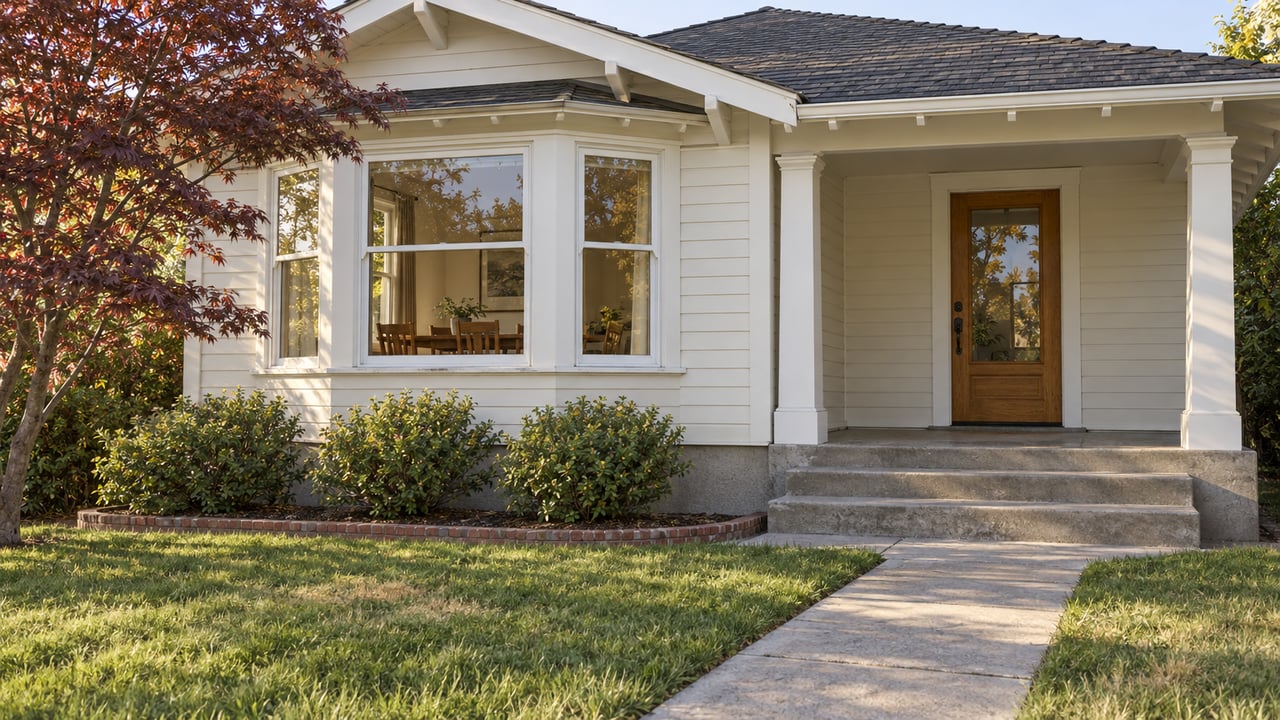
This is where local context becomes critical. Alameda has many older homes, and the city’s preservation materials identify styles such as Victorian, Edwardian, Colonial Revival, Craftsman, Spanish, and Period Revival as historic resources.
The research report also notes that alterations to historic monuments and contributing structures can require public hearing review, and demolition of many pre-1942 structures is a common review trigger. If you are buying in Gold Coast and thinking about future updates, you want enough time to review disclosures, title information, and property condition before making your final commitment.
Respect the Age and Character of the Home
In many Alameda neighborhoods, older homes are part of the appeal. They can also come with details that affect your offer strategy, especially if you are planning renovations, additions, or major exterior changes.
The city’s design guidance emphasizes preserving historic character and fitting new work to neighborhood context. That does not mean every older home will face the same level of review, but it does mean buyers should avoid making assumptions about future remodel plans.
Ask practical questions early
Before you remove your investigation contingency, make sure you understand the home you are buying. A few practical questions can help guide your review:
- What do the seller disclosures reveal about condition and past work?
- What does the preliminary title report show?
- Was the home built before 1942?
- If you hope to remodel later, could local preservation review affect your plans?
These are not reasons to walk away automatically. They are reasons to make informed decisions.
Keep Your Timeline Strong but Realistic
A fast close can help your offer, but only if it is achievable. The research report describes the in-escrow period as typically 30 days or more after acceptance, making about 30 days a practical baseline for many transactions.
That timeline often works well because it leaves room for deposit delivery, contingency decisions, lender processing, and final closing steps. Promising a timeline your lender cannot meet can weaken your position later.
Match the close to your financing
A clean offer usually includes a closing date that your lender is confident about. In a competitive situation, buyers sometimes feel pressure to shorten every deadline, but an aggressive schedule only helps if it is credible.
Sellers notice that. A realistic 30-day close can be more attractive than a shorter timeline that looks uncertain.
Budget Beyond Price and Down Payment
Many buyers focus heavily on price and deposit, but closing funds matter too. The research report notes that buyers commonly face costs such as escrow fees, property taxes, interest, loan origination, recording, title insurance, and related charges.
It also cites a common estimate of 3% to 6% of the sale price for closing costs. That means your full cash picture should be clear before you write an offer.
Alameda transfer taxes are part of the math
Local charges are another reason to plan carefully. According to the research report, Alameda County’s recorder lists documentary transfer tax at $0.55 per $500, and the City of Alameda transfer tax is $12 per $1,000.
Your agent can help you understand how these costs are typically handled in the contract, but the key point is simple: make sure your budget covers more than just the down payment and earnest money.
What a Winning Gold Coast Offer Looks Like
In this neighborhood, the strongest offer is usually the cleanest offer you can actually perform on. That often means a competitive price, a credible deposit, a focused contingency plan, and a closing timeline your lender can meet.
It also means respecting the realities of Alameda housing. Older homes, preservation considerations, and limited inventory all shape what smart buyers should do.
A simple Gold Coast offer checklist
Before submitting your offer, make sure you can confidently answer these questions:
- Is your price aligned with current Gold Coast and Alameda market conditions?
- Is your earnest money deposit strong and comfortable for your risk tolerance?
- Are your contingencies limited to what you truly need, without skipping key protections?
- Do you have enough time to review disclosures, inspections, and title information?
- Can your lender support the closing date in your offer?
- Have you budgeted for closing costs and local transfer taxes?
If the answer is yes across the board, your offer is more likely to look serious and dependable.
Why Local Guidance Matters
A strong offer is never one-size-fits-all, especially in a neighborhood as specific as Gold Coast. The right strategy depends on the home, the seller’s situation, your financing, and how much risk you are willing to take on.
That is where hyper-local guidance can make a real difference. When you work with a team that knows Alameda block by block, you can shape an offer that is competitive without losing sight of your long-term goals.
If you are preparing to buy in Gold Coast and want a smart, tailored offer strategy, connect with Sophia Niu Group for a free home valuation & neighborhood consultation.
FAQs
What makes an offer strong in Alameda’s Gold Coast?
- A strong Gold Coast offer is usually one that combines a competitive price, a credible earnest money deposit, a realistic closing timeline, and carefully chosen contingencies that still protect you.
How much earnest money is typical for a Gold Coast home offer?
- In California, earnest money is typically 1% to 3% of the purchase price, with the deposit usually due to escrow within 3 business days after acceptance.
How long do contingencies usually last in a California purchase contract?
- The standard C.A.R. contract commonly uses a default contingency removal timeline of 17 days after acceptance, though contingencies do not automatically disappear on that date.
Why do older homes affect offer strategy in Alameda’s Gold Coast?
- Many Alameda homes are older, and some pre-1942 structures may face review triggers for demolition or certain changes, so buyers should leave enough time to understand property condition, disclosures, title, and possible future remodel constraints.
What closing costs should Gold Coast buyers plan for?
- Buyers should plan for costs that may include escrow fees, property taxes, interest, loan origination, recording, title insurance, and related charges, with a common estimate of 3% to 6% of the sale price in the research report.
Is a 30-day closing timeline realistic for a Gold Coast purchase?
- Yes, a roughly 30-day close is a practical baseline in many California transactions, as long as your lender can meet that timeline without strain.