Thinking about house hacking or picking up a small rental in Alameda’s West End? You’re not alone. The waterfront, new development at Alameda Point, and steady rental demand make this corner of the island a compelling place to invest. In this guide, you’ll learn what kinds of properties you’ll see, which local rules matter most, how to underwrite income and expenses, and the due diligence steps that help you buy with confidence. Let’s dive in.
Why the West End appeals
Alameda’s West End includes Alameda Point, the West End Arts District, and nearby residential blocks like Bayport and Memorial Parkway. Alameda Point is a major redevelopment of the former Naval Air Station with historic structures, new homes, and shoreline parks in progress. If you want a sense of the area’s scale and plans, review the City’s Alameda Point planning materials and draft EIR. You can find that background in the City’s Alameda Point draft EIR.
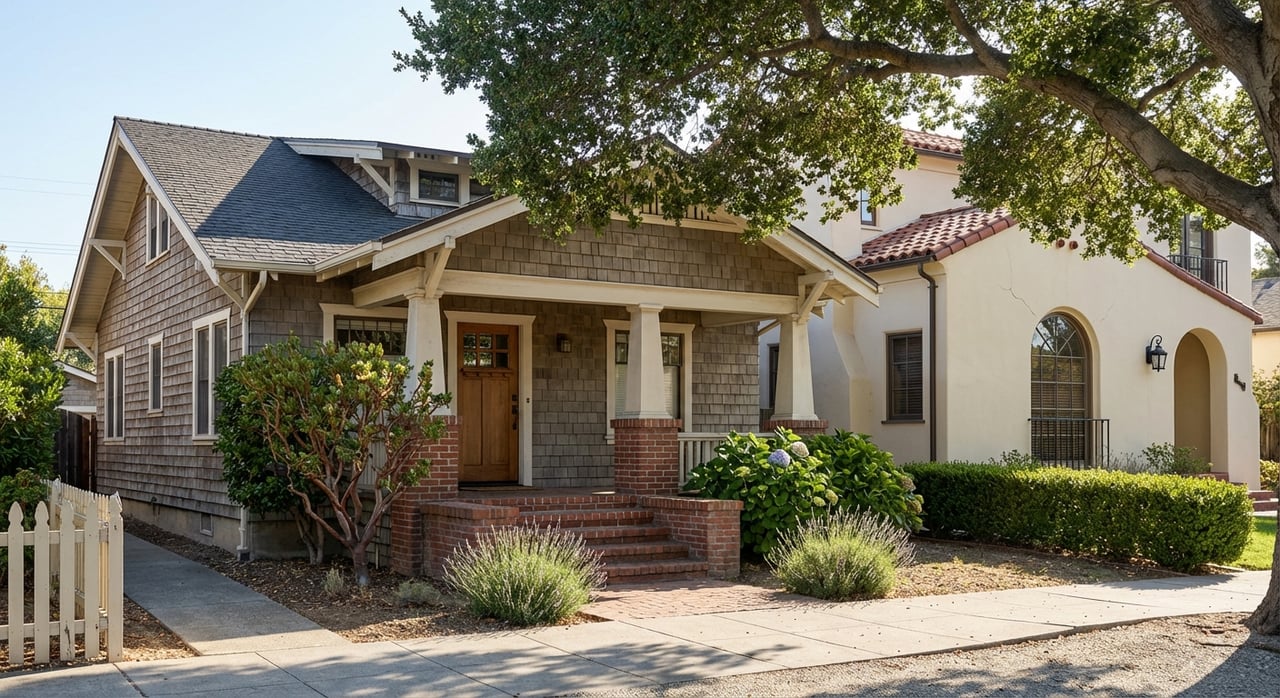
Listings here tend to include single family homes, duplexes and small multifamily, townhomes and condos, plus some converted military housing and live work buildings. You may also encounter floating homes in marina areas, which follow different rental rules.
On pricing, Alameda’s citywide median sale price typically runs above many East Bay suburbs. For a current snapshot, check the Alameda housing market page on Redfin. Rental listings show strong demand for one and two bedroom units, especially near transit and waterfront spots. Use current local listings to gauge rents and time to lease for your specific property type.
What affects income use in Alameda
Alameda’s local Rent Program is central to how you model cash flow and plan any rent changes. It goes beyond statewide rules in meaningful ways, so build these checkpoints into your offer and contingency timelines.
Registration and annual fees
Most regulated rental units must be registered with the City’s Rent Program, and owners pay annual program fees. If registration or fees are not current, you may be blocked from increasing rent or filing certain petitions until you resolve compliance. Get proof of registration and payments as part of your file. The City outlines these requirements in the Rent Program’s general FAQ.
- See the City’s Rent Program overview for registration, fees, and rent adjustment basics: Alameda Rent Program FAQ
Local rules vs. AB 1482
California’s Tenant Protection Act (AB 1482) sets statewide rent caps and just cause rules for many units. Alameda’s ordinance can supplement or supersede those rules for covered units. Before you assume a rent cap or a termination pathway, confirm which framework applies to each unit. The City maintains an AB 1482 FAQ to help you understand the interaction between state and local rules.
- Learn how AB 1482 interacts with Alameda’s program: AB 1482 FAQ
Relocation payments and no fault terminations
If you plan to change occupancy or withdraw a unit from the rental market, Alameda may require relocation payments. The City publishes relocation tables and guidance that can represent a notable upfront cash obligation. Review these rules early so your budget reflects real costs.
- City guidance on relocation obligations: Relocation payment bulletin
Capital Improvement Petitions (CIP)
If you intend major upgrades, Alameda has rules for when and how owners may recover certain eligible capital costs through pass throughs over time. There are limits and an application process, and some recent policies affect larger properties. Read the City’s policies before you count on pass throughs to make your numbers pencil.
- Read current program policies and ordinances: Policies and Ordinances
Short term rentals and ADUs
Short stays under 30 days are treated differently for rent program purposes, and Alameda’s ADU rules generally prohibit short term rental of ADUs. If your plan leans on Airbnb income, proceed with caution. Also expect business licensing and transient occupancy tax requirements if short stays are allowed in your situation.
- Review the City’s ADU packet for permitted use and restrictions: ADU info packet
Property types you’ll see on the West End
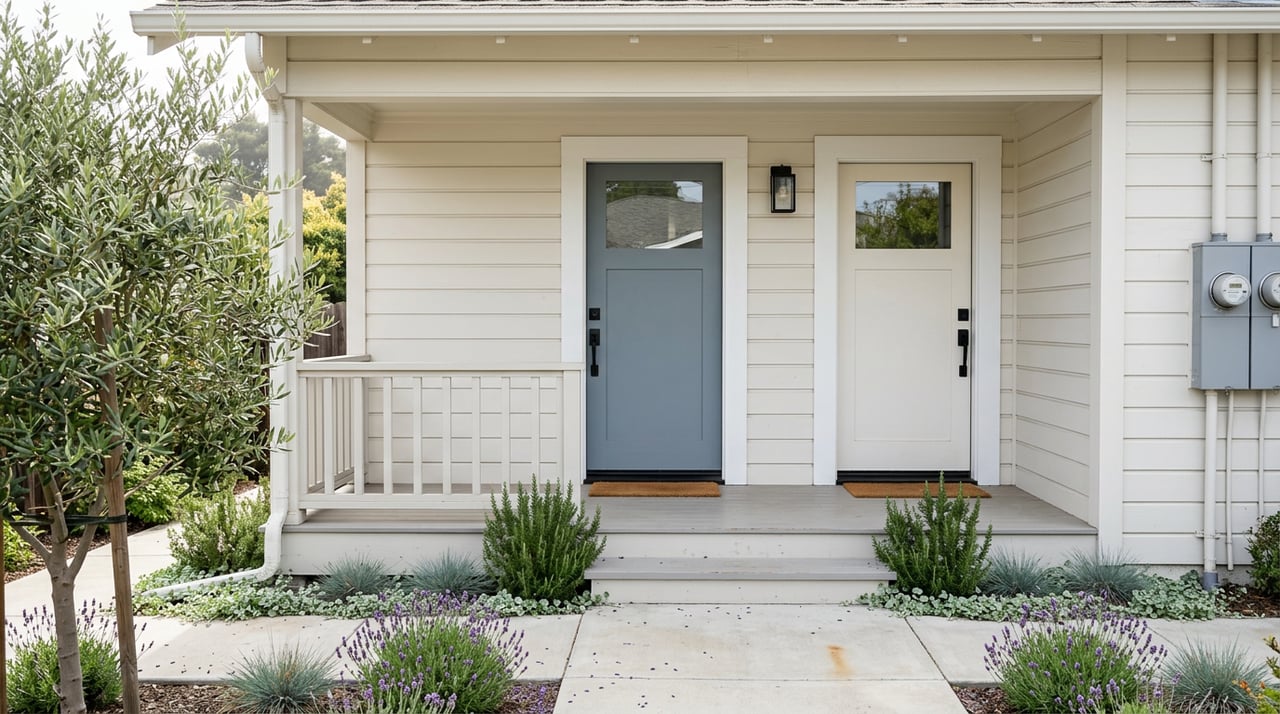
You’ll see a mix of classic single family homes, duplexes, triplexes, and fourplexes, along with newer townhomes and condos around Alameda Point. For a house hack, a 2 to 4 unit building or a home with a legal ADU is common. Floating homes and marina slips do appear in this submarket, and maritime tenancies follow specific local rules, so factor that into your underwriting and lease review.
New housing at Alameda Point will continue to arrive in phases. While that adds options for residents, it can also shape rent comps and vacancy patterns over time. If you are comparing a small multifamily to nearby new construction, look carefully at HOA or special assessments, unit finishes, and onsite amenities when estimating rent spreads.
Financing and tax basics for house hackers
If you plan to live in one unit and rent the others, owner occupant loans often offer better terms than investor financing. Many conventional, FHA, and VA products permit 2 to 4 unit purchases with an occupancy requirement. Down payment and underwriting standards vary by program, so confirm with your lender.
- Learn common rules and terms for 2 to 4 unit purchases: Bankrate’s duplex overview
On taxes, rental income and expenses are reported on Schedule E, and residential rental property is typically depreciated over 27.5 years under MACRS. Always consult a qualified tax advisor for details tied to your situation.
- IRS reference for rental income, expenses, and depreciation: IRS Publication 527
Numbers that matter: expenses and reserves
Your operating budget should reflect both standard landlord costs and Alameda specific items. Build in a conservative reserve so you can handle the unexpected.
Common expense categories include:
- Mortgage principal and interest, plus loan related costs
- Property taxes and local assessments
- Insurance for landlord coverage, and consider flood or earthquake where relevant
- Utilities paid by landlord, including common area charges
- HOA or condo fees when applicable
- Routine maintenance and repairs, plus a capital reserve for roof, HVAC, and systems
- Property management fees if you hire a manager
- Leasing and turnover costs such as cleaning, paint, and tenant placement
- Legal, accounting, and compliance costs, including rent program filings
- Transient occupancy tax and business licensing if any short stay use applies
Two local reminders can change your math quickly. First, relocation payments may apply to certain no fault terminations. Second, rent program fines or reimbursements can be significant if you inherit past violations. Confirm your assumptions against real documents before you commit to a price.
Environmental and infrastructure checks on the West End
Waterfront living is part of the West End’s appeal, but it also calls for added diligence. The City’s hazard mitigation and climate adaptation materials outline flood, sea level rise, and groundwater concerns across Alameda. If a property sits at low elevation or near shoreline adaptation projects, request elevation details and review relevant maps.
- Explore local hazard and climate adaptation planning: City Hazard Mitigation Plan
At Alameda Point, planning documents also discuss legacy base contamination and ongoing site work. If your target is near that area, ask for environmental records, known remediation status, and any disclosure of planned infrastructure upgrades.
- Background on Alameda Point planning and site context: Alameda Point draft EIR
Due diligence checklist for buyers
Use this list to organize your offer and contingency tasks:
- Obtain a complete rent roll and copies of all executed leases. Ask for written tenant notices and rent increase documents dating back to October 1, 2015. This helps you spot improper increases or notices and verify coverage under local rules.
- Verify City Rent Program registration status and proof of paid annual fees for each regulated unit. If anything is missing, factor the time and cost to cure into your plan.
- Confirm lease terms that affect income and operations. Review start and end dates, month to month language, rent increase notices and timing, utility responsibilities, and any HOA or parking fees paid by tenants.
- Check security deposit amounts against state law limits, and confirm you are receiving accurate deposit accounting from the seller. Review past entry notices and maintenance records to flag any issues.
- Validate permit status and legal unit count. If there is an ADU, obtain the permit history and any deed restrictions or recorded owner occupancy requirements. Confirm whether short term rentals are prohibited.
- Order physical inspections for structure, roof, pest, plumbing, electrical, and HVAC. If near Alameda Point or other identified areas, request environmental records or prior remediation reports.
- Review city policies for capital improvement pass throughs and confirm whether any petitions are pending or approved. This can affect tenant communications and future rent schedules.
- Check Alameda County property tax records for parcel assessments and any special district charges tied to infrastructure at Alameda Point.
A simple underwriting workflow
When you find a promising property, run a quick, structured review so you can move fast and stay accurate.
Confirm the rent story. Pull actual rents from the rent roll, then compare them to current neighborhood listings for similar units. Note any big deltas and whether leases allow for near term adjustments under local rules.
Start with compliance. Ask for proof of Rent Program registration and fee payments. Review lease notices and rent increases since 2015 for timing and accuracy under the ordinance.
Map real expenses. List fixed costs like taxes, insurance, HOA fees, and loan terms. Add a line for maintenance and a capital reserve that reflects the age and condition of major systems. Include a contingency for potential relocation payments if your plan involves no fault changes.
Model vacancy and turnover. Look at how quickly similar units are leasing nearby. Build a conservative vacancy assumption and a separate allowance for turnover costs.
Pressure test cash flow. Run a base case and a conservative case. In the conservative case, assume slower lease up, higher maintenance, and delayed rent adjustments due to compliance tasks.
Tie it to inspections. Align your capex reserve with inspection findings. If big ticket items loom, revise the offer or timing for improvements, and review capital improvement petition options.
How we help you buy with clarity
Buying an income property on the West End is about more than price per door. You want a clean compliance file, realistic rent comps, and a plan for environmental and infrastructure factors unique to the shoreline. Our team lives and works in Alameda every day, and we guide you through each step with patient, practical advice. We’ll help you verify the rent program status, unpack leases, and coordinate the right inspections so you can invest with confidence.
For a local strategy session and property review, reach out to the Sophia Niu Group. We’re here to help you navigate Alameda’s market with care and clarity.
Helpful resources
- Review Alameda’s rental rules and registration: Alameda Rent Program FAQ
- Understand how state law interacts with local rules: AB 1482 FAQ
- Check market context and trends: Redfin Alameda housing market
- Learn about capital pass throughs and program updates: Policies and Ordinances
- Explore flood and hazard planning: City Hazard Mitigation Plan
FAQs
What makes Alameda’s West End attractive for small investors?
- You’ll find a mix of classic homes and small multifamily near waterfront amenities, with ongoing development at Alameda Point that supports long term neighborhood growth.
How do Alameda’s rent rules affect my ability to raise rents?
- Regulated units must be registered with annual fees paid, and local rules can limit increases or require specific notices, so verify compliance before assuming any rent changes.
Can I use an ADU for short term rentals in Alameda?
- The City’s ADU rules generally prohibit short term stays under 30 days, and separate short term rentals require business licensing and transient occupancy tax compliance.
What relocation payments might I owe if I change occupancy?
- Certain no fault terminations and withdrawals can trigger City defined relocation payments, which should be budgeted as a potential upfront cost.
How should I budget for climate and flood risk on the West End?
- Review City hazard maps and elevation details, consider flood coverage where relevant, and plan for potential infrastructure work near shoreline adaptation projects.
What owner occupant loan options exist for 2 to 4 units?
- Many FHA, VA, and conventional loans allow 2 to 4 unit purchases with an occupancy requirement, often with more favorable terms than investor loans.