Ask an East End homeowner what they're dreading before they list, and most will say the same thing: the sewer lateral. It has a reputation. Everyone's heard a story about a neighbor who had to dig up a driveway before escrow could close.
Here's what that story usually leaves out. The sewer lateral rule in Alameda is actually one of the more forgiving versions of this ordinance in the East Bay, and it comes with a clear finish line: a test, a pass or fail, a certificate. The thing that actually stalls East End sales longer and costs more to resolve doesn't have a certificate at all. It's what a home inspector finds underneath a house that's been sitting on reclaimed bay land since before the Second World War.
The Point-of-Sale Rule Most Long-Tenured Owners Have Never Dealt With
Alameda participates in the East Bay Municipal Utility District's Regional Private Sewer Lateral Program, the same ordinance that covers Albany, Oakland, Piedmont, Emeryville, El Cerrito, Kensington, and the Richmond Annex. Berkeley sits right next door but runs its own separate program entirely, which is a reminder that these rules don't travel the way sellers sometimes assume. Within the regional program, most member cities hold the property owner responsible for testing and certifying the entire lateral, from the house all the way to the sewer main under the street. Alameda and Albany are the two exceptions. Here, the property owner's responsibility ends at the upper lateral, generally from the building's cleanout to the curb or property line, which means less pipe to inspect and less pipe to potentially replace.
That's the version of the story most sellers eventually hear. What fewer people realize going in is that this requirement is triggered by the sale itself, not by any routine inspection cycle. The ordinance requires that before a title transfer on a parcel with any structure, either the buyer or the seller, as negotiated between them, obtains a compliance certificate for the upper lateral. A certificate is good for 20 years once issued. For a lot of East End houses, especially the ones in Fernside and the blocks around Lincoln Park that tend to change hands once a generation, that 20-year window means the current owner has never had to think about this at all. The last time it happened may have been under a different owner, if it happened at all.
That's the real surprise. Not that the rule exists, but that it often shows up for the very first time exactly when a seller has the least appetite for one more unknown.
What the Certificate Actually Involves
The process itself is straightforward, even if it takes coordination. A licensed contractor typically runs a video survey of the lateral first to check its condition. If it looks sound, the next step is a verification test, either hydrostatic or low-pressure air, performed with an EBMUD inspector on site to witness it. If the lateral passes, the property owner can print a Compliance Certificate directly from the EBMUD site. If it doesn't, repairs come first.
A few things worth knowing before you schedule anything:
- The private sewer lateral ordinance requires the lateral to be free of structural defects, cracks, breaks, and sags, with no shortcuts on grade.
- Responsibility for getting the certificate is a negotiation item between buyer and seller, not something California law assigns automatically.
- Multi-lateral parcels, homes with more than one lateral connection, need extra paperwork submitted two weeks ahead of an inspection date.
- EBMUD's own program page is the most current source for scheduling and fee questions, and it's worth checking before you assume anything about timing.
None of this is dramatic on its own. What it does is add a scheduling dependency to your timeline that a lot of sellers don't plan for until their agent brings it up.
The Smaller Rules That Also Catch First-Time East End Sellers
Alameda has a few other older-city habits that show up at the point of sale and rarely make it into generic seller checklists written for a national audience. The city requires an automatic gas shut-off valve, the kind that trips during an earthquake and cuts gas to the house, in a way that not every East Bay city mandates. And depending on the condition of the sidewalk fronting the property, repair responsibility can shift to whoever is closing the sale if the concrete has lifted or cracked beyond what the city considers acceptable.
Neither of these is likely to blow up a transaction. Both are the kind of thing a seller wants to know about in month one of getting ready, not week two of escrow.
The Real Negotiation Starts Underneath the House
Here's where the sewer lateral story and the foundation story diverge, and it's the part that actually matters if you're pricing a listing.
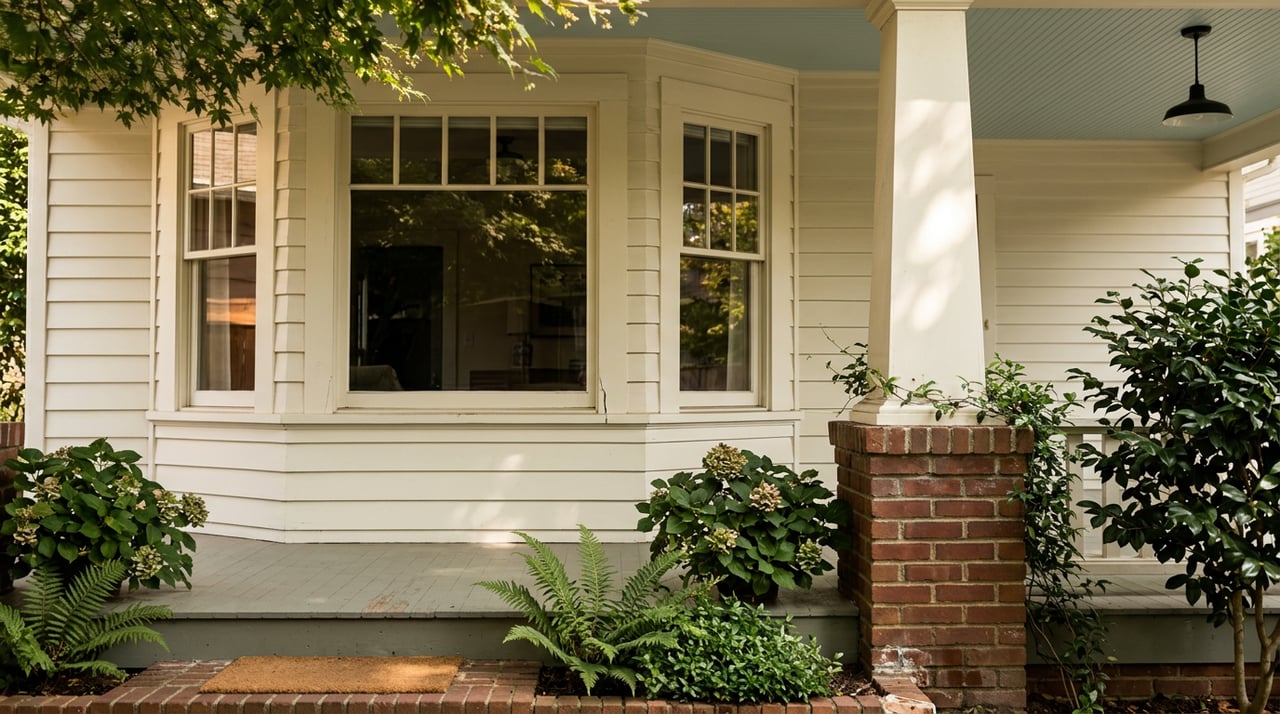
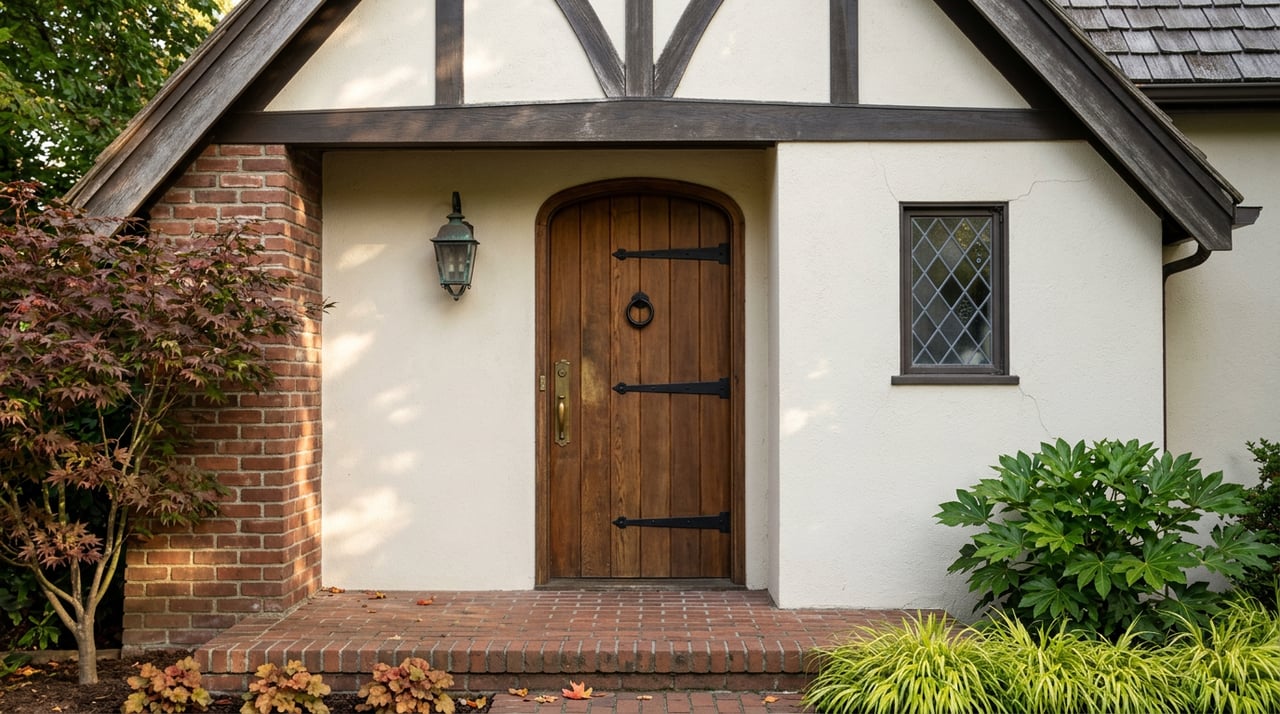
Alameda sits on land that includes a substantial amount of fill placed over bay mud more than a century ago. That soil compresses and shifts in ways that native ground doesn't, especially with seasonal rain and groundwater changes. Layer that on top of a housing stock where Alameda holds the second-largest concentration of Victorian homes west of the Mississippi, and you get a neighborhood, East End included, full of Victorians, Craftsman bungalows, and Tudor and Mediterranean-style homes built with crawl spaces, wood post-and-pier systems, or unreinforced concrete that predates modern foundation standards. Local foundation contractors who work these blocks regularly point to this combination, fill soil plus century-old construction methods, as the reason settlement issues show up here more than in other parts of the Bay Area.
There is no ordinance requiring a foundation inspection before you list. There's no city-run test, no pass or fail, no certificate at the end that tells a buyer the question is closed. What happens instead is a buyer's inspector finds uneven floors, a stair-step crack in the foundation wall, or a door that's started sticking, and the conversation shifts from "here's proof it's fine" to "here's what we think it will cost, and who's paying for it." That's a fundamentally different negotiation than the sewer lateral, and it tends to take longer to resolve because there's no third party settling the dispute.
Two Different Kinds of Fixed
If you're selling an older East End home this year, it helps to hold these two issues in your head as different categories, because they behave differently in escrow.
| Sewer Lateral | Foundation / Soil Movement | |
|---|---|---|
| Governed by | City ordinance, EBMUD program | Not mandated, surfaces during inspection |
| Resolution | Pass/fail test, certificate issued | Negotiated credit or repair, no formal sign-off |
| Timing risk | Scheduling delay if repairs needed | Can reopen negotiations late in escrow |
| Who typically initiates | Seller, ahead of listing | Buyer's inspector, during contingency period |
The lateral is a box you can check before you ever go live. The foundation question is one a buyer's inspector will raise on their own timeline, which means the smartest move for a seller is getting ahead of it: a private foundation evaluation before listing gives you a number and a plan instead of a surprise mid-escrow. It won't produce a certificate the way the sewer test does, but it does the next best thing, which is taking away the buyer's ability to use uncertainty as leverage.
Frequently Asked Questions
Does every East End home need a new sewer lateral certificate to sell? Only if there isn't a valid one on file, since certificates are good for 20 years. If your home last sold or was tested within that window, you may already be covered. Check the property's status through EBMUD's site before assuming you need new work done.
Who decides whether the buyer or seller pays for lateral repairs? That's a negotiated point, not something fixed by law. It's typically addressed in the purchase contract, and it's worth raising early rather than discovering it's contested during a tight escrow timeline.
Is a pre-listing foundation inspection required in Alameda? No ordinance requires one. Given how common bay fill and pre-1940 construction are in East End, though, having a professional look before you list is one of the few ways to control the timeline instead of reacting to whatever a buyer's inspector finds.
Selling an older East End home comes with more moving pieces than a standard seller's checklist accounts for, and most of them are easier to manage with a few extra weeks of lead time than with none. If you're weighing a listing this year, the Sophia Niu Group can walk your specific property through what's already on file, what isn't, and what to line up before it goes to market. Request a free home valuation and neighborhood consultation to get a clear-eyed read on where your home stands today.