Wondering whether to renovate before you sell, or list your Gold Coast home as-is? In Alameda’s Gold Coast, that choice is rarely simple. Many homes here carry historic character that buyers notice right away, so the smartest strategy is often the one that protects original details, improves presentation, and avoids unnecessary work. Let’s dive in.
Why Gold Coast homes need a different strategy
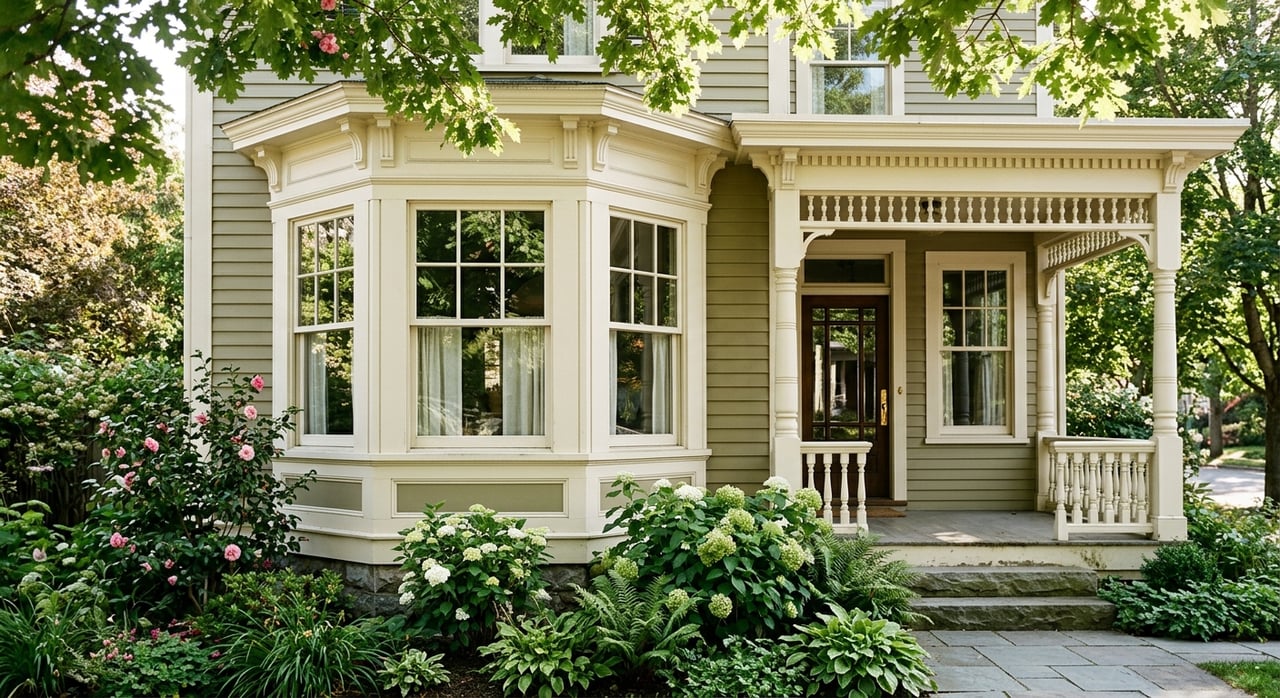
Gold Coast stands out for its well-preserved homes from the 1880s through the 1920s. Alameda Museum describes a mix of Queen Anne, Colonial Revival, Arts and Crafts, and post-World War I revival styles, while a city historical monument report notes the neighborhood’s fine homes, tree-lined streets, and bayshore setting.
That matters when you sell. Buyers in this part of Alameda are often looking at more than size and finishes. They are also noticing condition, craftsmanship, and whether a home still feels true to its architectural style.
The City of Alameda says the city has more than 10,000 buildings built before 1930. In practical terms, many sellers are dealing with homes where preservation and presentation can matter just as much as modernization.
Start with the safest pre-sale updates
If you want to improve your sale outcome without overcommitting, start with the updates that are easiest to justify. These tend to be lower-risk, more visible, and less likely to clash with a historic home’s character.
The strongest first steps are usually:
- Deep cleaning
- Decluttering
- Interior paint where needed
- Exterior touch-up paint
- Basic landscaping and curb appeal work
- Light staging
- Repairs for obvious deferred maintenance
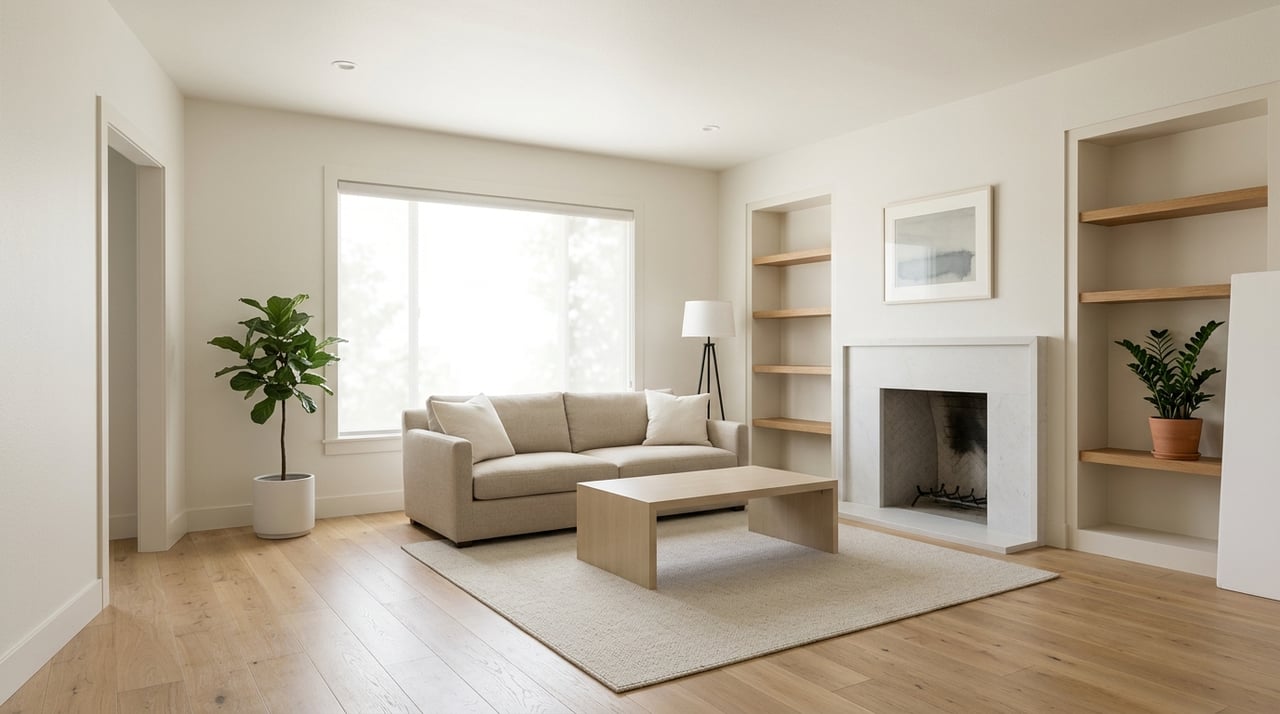
These are smart because they help buyers focus on the home itself. NAR’s 2025 staging report found that 83% of buyers’ agents said staging made it easier for buyers to visualize the property as a future home.
The most commonly staged rooms were the living room, primary bedroom, and dining room. For many Gold Coast homes, those are also the spaces where period details can shine when the home is presented well.
NAR’s 2025 remodeling report says Realtors most often recommend painting the entire home, painting a single interior room, and installing new roofing before listing. That does not mean every seller should take on every project. It does suggest that visible, practical improvements often carry more weight than ambitious remodels.
Focus on what buyers see first
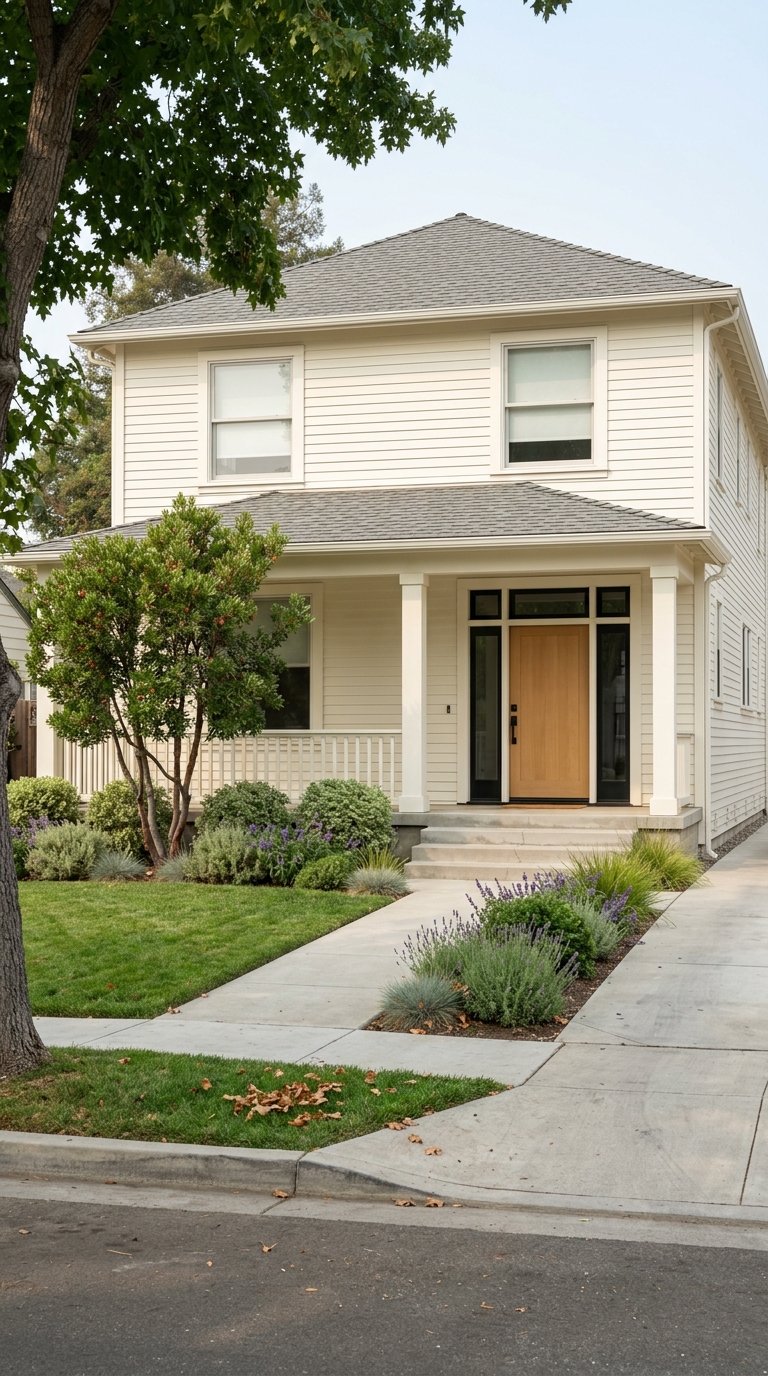
In a neighborhood with strong curb appeal and historic charm, first impressions matter. Buyers often form an opinion before they even step through the front door.
That is why it often makes sense to prioritize:
- Entry condition
- Front door appearance
- Exterior paint condition
- Porch and steps
- Landscaping
- Lighting
- Flooring condition
- Signs of deferred maintenance
NAR reports also point to strong cost recovery for projects such as a steel front door, closet renovation, and fiberglass front door. In Gold Coast, the larger takeaway is simple: improve the parts of the home buyers notice immediately, while staying mindful of the home’s original style.
Be careful not to erase period character
This is where some sellers spend too much and get too little back. Alameda’s design guidance says valued original architectural character should be maintained through preserving and restoring original fabric, and that most buildings built before World War II are treated as historic resources.
The city also says original window type and visual character should be preserved or restored, and that extruded vinyl replacement windows are typically inappropriate. So if your home still has intact period details, a heavy-handed modernization may not be the best move.
Updates that are easiest to overdo often include:
- Full gut remodels before listing
- Major layout changes
- Replacing original windows with incompatible styles
- Altering porch proportions or exterior details
- Removing original trim or architectural features
If a feature gives the home its identity, think twice before changing it. In Gold Coast, authenticity can be part of the value.
When selling as-is may be the better choice
Selling as-is does not have to mean doing nothing. In many cases, it simply means avoiding large renovation projects and bringing the home to market with a clean, thoughtful, well-priced presentation.
An as-is strategy may make sense if:
- Your home already shows well
- Original details are a major selling point
- The likely work list is large or disruptive
- Exterior or structural work may trigger permits or historic review
- You want to move on a shorter timeline
This approach can be especially smart when the home’s best features are already intact. Because Alameda’s guidance emphasizes preserving original architectural details, some homes may benefit more from cleanup, staging, and pricing discipline than from major upgrades.
Understand permit and historic review issues early
Before you commit to bigger work, check what approvals may be required. Alameda says some work on historic structures requires a Certificate of Approval in addition to a normal building permit.
According to the city, that can include alterations to Historic Monuments, contributing structures in historic districts, and very common work on structures built before 1942. If your pre-sale plan includes exterior changes, structural work, or modifications to historic features, it is worth asking questions before work begins.
This is one reason sellers should be cautious about taking on large projects shortly before listing. If you hope to sell within about a year, permit-heavy work can become hard to justify unless it solves a clear issue buyers would likely notice or object to.
What as-is should really mean
A good as-is listing is still curated. It should not feel neglected or careless.
In Gold Coast, a strong as-is sale often means the home is:
- Clean
- Decluttered
- Repaired where necessary
- Photographed well
- Priced according to comparable sales and condition
That distinction matters in today’s market. Redfin reports that in May 2026, Alameda homes sold in about 15 days, received about 2 offers on average, and had a median sale price of $1,101,841. At the same time, 21.9% of homes had price drops.
That city-wide data suggests buyers are active, but they are still responding to value and presentation. In other words, even if you sell as-is, pricing and prep still matter.
A simple way to decide
If you are stuck between upgrading and selling as-is, it helps to sort projects into three categories: must-do, nice-to-do, and probably-skip.
Must-do projects
These are the items most likely to help protect value or reduce buyer concern.
- Deep cleaning
- Decluttering
- Paint touch-ups or full repainting where the home feels worn
- Safety or maintenance repairs
- Roof repair if there is a known issue
- Basic landscaping and entry improvements
Nice-to-do projects
These can help presentation if the cost and timing make sense.
- Staging key rooms
- Flooring refreshes
- Lighting updates
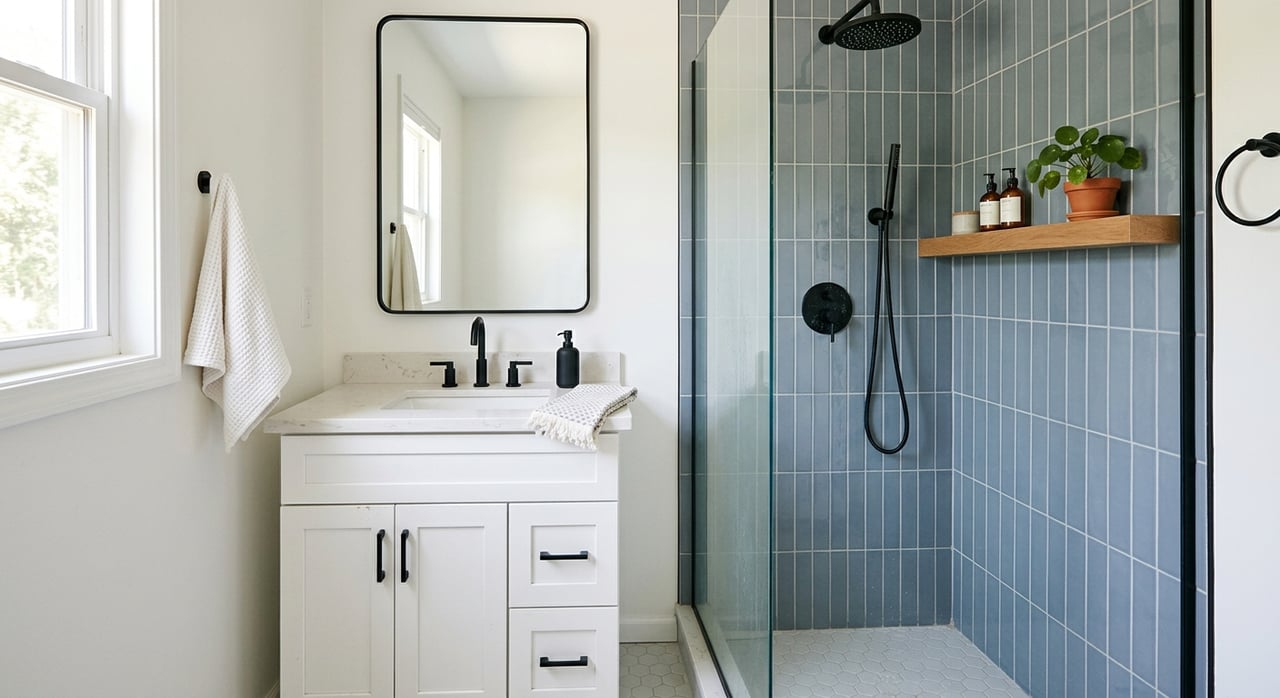
- Cosmetic kitchen or bathroom improvements
- Exterior paint improvements
Probably-skip projects
These often add cost, time, and risk without clear payoff before a sale.
- Gut renovations
- Large layout reconfigurations
- Exterior changes that may conflict with historic character
- Window replacements that alter original visual character
- Projects likely to trigger extended permitting unless truly necessary
How Compass Concierge can fit in
If you want to make targeted improvements but prefer not to pay all costs up front, Compass Concierge may be worth discussing. Compass says Concierge fronts the cost of certain home-improvement services with zero due until closing.
The program can cover services such as staging, flooring, painting, landscaping, cosmetic renovations, deep cleaning, decluttering, roofing repair, pest control, electrical work, and kitchen or bathroom improvements. For the right seller, that can create flexibility.
It is best to think of Concierge as a tool, not a guarantee. Compass also notes that repayment, fees, and interest can vary by state, and that funds are provided by Notable Finance rather than Compass.
The best strategy is neighborhood-specific
Gold Coast is not a one-size-fits-all market. A beautifully preserved home with original windows, millwork, and exterior details may need a very different listing plan than a home with obvious deferred maintenance or incomplete updates.
That is why the real question is not simply, “Should you remodel?” It is, “Which changes will help this specific home stand out without spending money where buyers will not reward it?”
For many Gold Coast owners, the winning formula is selective prep, careful pricing, and marketing that highlights both condition and character. When you match the strategy to the house, you are more likely to protect value and avoid unnecessary stress.
If you are weighing upgrades against an as-is sale in Gold Coast, the right plan starts with a local, property-specific review. The Sophia Niu Group can help you evaluate your home’s condition, historic character, and likely buyer expectations so you can choose a smart pre-sale strategy with confidence.
FAQs
Should Gold Coast sellers renovate before listing a historic home?
- Not always. In Gold Coast, many homes benefit more from cleaning, paint, staging, and repairs than from large remodels that may reduce historic character or trigger extra approvals.
What are the safest pre-sale updates for a Gold Coast home?
- The most defensible starting points are deep cleaning, decluttering, paint, staging, curb appeal work, and fixing visible deferred-maintenance issues.
When should Alameda sellers ask about permits for pre-sale work?
- Ask before doing exterior, structural, or potentially historic work, especially if the home was built before 1942 or may be a historic resource.
Can selling as-is still work in Alameda’s market?
- Yes. City-wide data shows Alameda remains competitive, but buyers still respond to price and presentation, so an as-is listing should still be clean, well-prepared, and priced carefully.
How should Gold Coast sellers think about Compass Concierge?
- Think of it as a financing and coordination tool for targeted pre-sale improvements, not as a promise that every project will return more than it costs.