Wondering if a South Shore condo is the right fit for your lifestyle and budget? If you love the idea of waterfront living, shared amenities, and less exterior upkeep, condo ownership here can be very appealing. At the same time, HOA living comes with monthly dues, community rules, and a few extra layers of due diligence that matter even more in a shoreline setting. This guide will walk you through what to expect so you can shop with more clarity and confidence. Let’s dive in.
Why South Shore condo living stands out
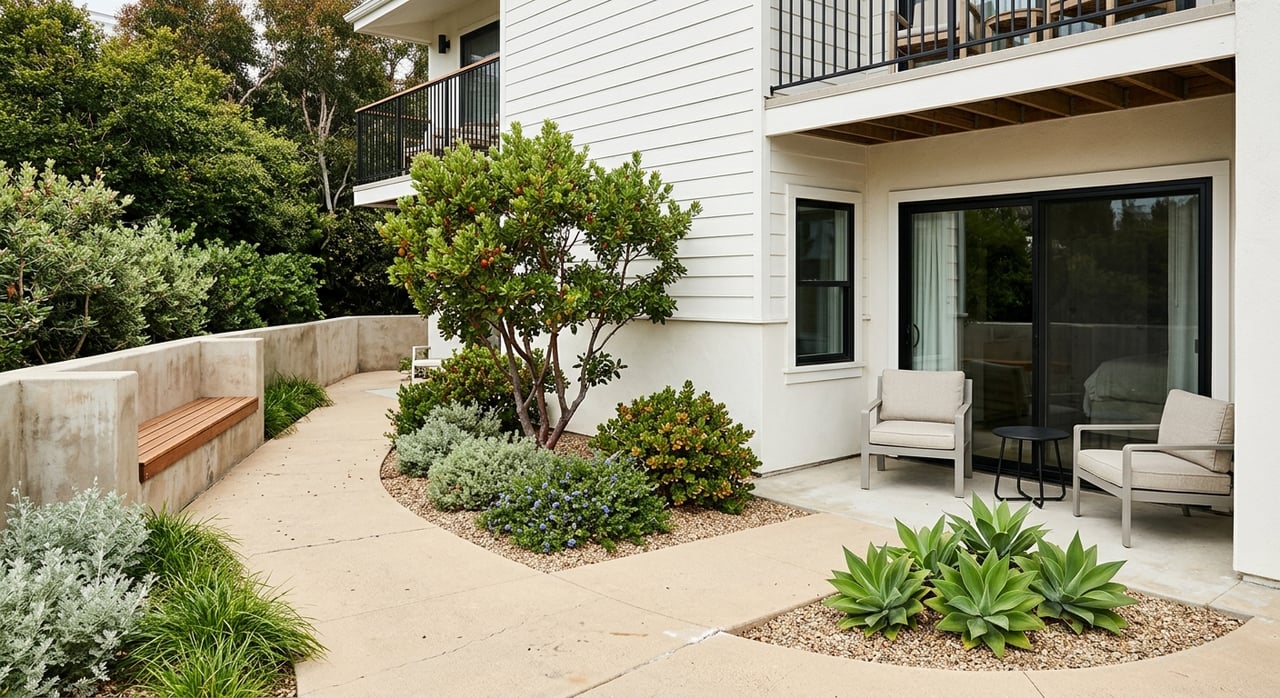
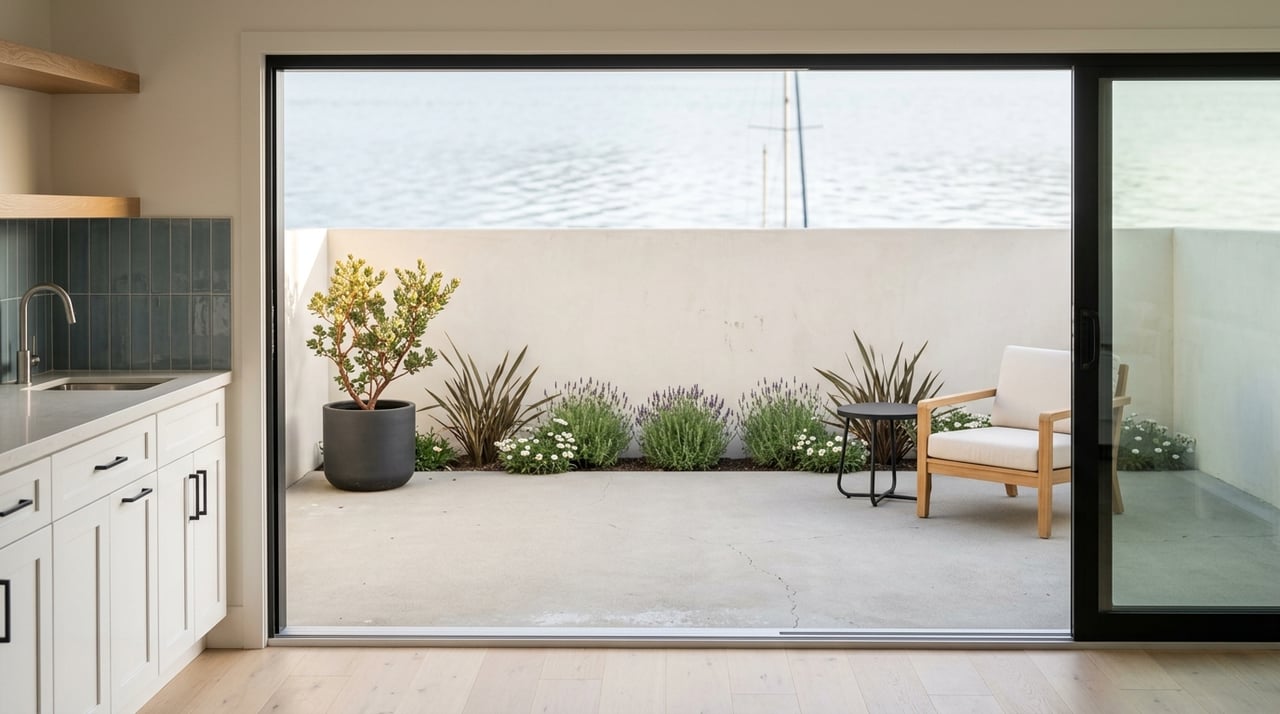
South Shore is one of Alameda’s best-known waterfront areas, with shoreline views, lagoons, beach access nearby, and a strong connection to the coast. The City of Alameda identifies the area as low-lying land that is vulnerable to coastal flooding and erosion, which shapes how owners and associations plan for maintenance over time.
That coastal setting is a big part of the appeal, but it also affects the ownership experience. In South Shore, buying a condo is not only about the unit itself. It is also about how well the HOA manages shared buildings, grounds, and long-term repair planning in a coastal environment.
Crown Memorial State Beach adds to the neighborhood’s draw with its 2.5-mile beach, dunes, and bicycle trail. For many buyers, that means South Shore offers a lifestyle that feels relaxed and active, while still requiring a practical look at building care and reserve funding.
How condo and HOA ownership works in California
Most condos in California are part of a common interest development. When you buy into one, HOA membership is automatic, and the community’s governing documents become part of your ownership.
The most important document is usually the CC&Rs, which stands for Covenants, Conditions, and Restrictions. These rules explain how common areas are handled, how assessments work, what insurance responsibilities exist, and what architectural or use restrictions may apply.
In simple terms, condo ownership often means the association handles common-area and exterior maintenance, while you are generally responsible for the inside of your unit. Rules may also cover things like parking, balcony or deck use, landscaping, and approval for changes to the property.
Even if an HOA uses a management company, the board is still ultimately responsible for running the association. That matters because your ownership experience can be shaped by how organized, transparent, and financially prepared the board is.
What HOA dues may look like in South Shore
One of the biggest questions buyers ask is simple: how much are the monthly dues? Recent South Shore condo listings show HOA dues commonly falling in the mid-hundreds per month, with examples around $435, $455, $499, $567, $595, $655, and $674.
That range is not an official neighborhood average, but it gives you a realistic snapshot of what you may see while shopping. The amount can vary based on the building, amenities, services included, and the association’s budget needs.
What those dues cover can differ a lot from one community to another. In recent South Shore listings, dues may include some combination of:
- Common-area maintenance
- Exterior maintenance
- Property management
- Reserve funding
- Trash service
- Water or sewer
- Hazard insurance
- Security or gate fees
- Grounds maintenance
- Common hot water in some communities
The amenities tied to those dues may also be part of the value equation. Depending on the complex, you may see features such as pools, spas, clubhouses, fitness centers, saunas, greenbelts, BBQ areas, laundry, guest parking, workshop space, or beach-path proximity.
What HOA dues do not always tell you
A lower monthly HOA payment does not automatically mean a better deal. Sometimes lower dues can reflect leaner services, fewer amenities, or reserves that may not be as strong as they should be.
That is why reserve planning matters so much. HOA dues are not just paying today’s bills. They also help fund future repair and replacement costs for major common components.
California requires annual budget reports that include reserve summaries, and reserve-study visual inspections must happen at least every three years. The state also places limits on certain assessment increases without member approval, which is useful context when you are evaluating whether an HOA is planning responsibly.
If regular dues are not enough to cover major repairs or unexpected costs, the HOA may use a special assessment. In a waterfront neighborhood like South Shore, that possibility deserves extra attention because coastal exposure can affect exteriors, drainage, waterproofing, and long-term repair needs.
Why reserves matter more near the shoreline
In South Shore, reserve strength is not just an accounting detail. It is a practical way to judge how prepared an HOA may be for the realities of a coastal location.
The City of Alameda’s adaptation planning for South Shore includes sand replenishment, dune strengthening, shoreline protection, and flood-resilience retrofits. That does not mean every condo owner will face the same cost impacts, but it does mean buyers should look closely at how an association is thinking about long-term maintenance and future projects.
A well-run HOA should be tracking major repair items and planning for them over time. When you review a South Shore condo, it is smart to ask whether the association appears ready for exterior work, waterproofing, drainage issues, or other building needs that may become more important in a shoreline area.
Documents to review before you buy
California requires sellers in a common interest development to provide prospective purchasers with governing documents and related disclosures before transfer or contract execution. For you as a buyer, these documents can tell you much more than a listing description ever will.
Start with the documents that affect your monthly costs, your daily use of the property, and the HOA’s financial health. The most useful items to review often include:
- CC&Rs
- Bylaws
- Rules and regulations
- Annual budget report
- Reserve summary or reserve study
- Insurance summary
- Board meeting minutes
- Notices about maintenance projects
- Notices about special assessments
- Litigation disclosures, if any
The California Department of Real Estate also recommends reviewing the governing documents carefully and, if possible, attending a board meeting and reading prior minutes. That extra step can give you a better sense of how the association communicates and what issues may already be on the radar.
Key questions to ask about a South Shore HOA
Not all HOAs operate the same way, even within the same neighborhood. Asking a few direct questions can help you avoid surprises.
What do the dues actually cover?
Do not assume one building’s fees work like another’s. In South Shore, dues may cover only basic maintenance in one community, while another may include insurance, utilities, reserves, or security-related costs.
How strong are the reserves?
Ask when the last reserve study was completed or updated. You want to understand whether the HOA appears prepared for roofs, exterior surfaces, waterproofing, and other major repair items.
Has the HOA used special assessments?
A history of special assessments is not always a deal breaker, but it is important context. You should also ask whether there are association loans, deferred maintenance issues, or signs that additional assessments may be likely.
What are the rules that affect daily life?
Review the policies on pets, parking, guest parking, balconies, decks, storage, and remodeling approvals. These are the rules that often affect owners most directly after move-in.
Who handles which repairs?
Make sure you understand responsibility for roofs, balconies, exterior walls, plumbing lines, and other shared components. In condo ownership, the line between HOA responsibility and owner responsibility is not always obvious unless you read the documents closely.
Could shoreline projects affect ownership costs or access?
Because the city is actively planning for adaptation in South Shore, it is reasonable to ask whether future drainage, flood-mitigation, sand-replenishment, or shoreline-related work could affect access, dues, or assessments over time.
Condo living versus a single-family home
If you are deciding between a South Shore condo and a single-family home in Alameda, the tradeoff usually comes down to convenience versus control. A condo can offer shared amenities and less exterior maintenance, which many buyers find appealing.
In exchange, you take on HOA dues, community rules, and the possibility of future special assessments. With a single-family home, you may have more control over the property, but you are typically handling exterior upkeep and major repairs on your own.
For South Shore specifically, the waterfront setting makes the condo decision more nuanced. The lifestyle can be a major plus, but it makes HOA quality, reserve planning, and maintenance history even more important to review.
What smart buyers focus on first
When you tour South Shore condos, it helps to look beyond finishes and amenities. A great unit in a poorly prepared HOA can create stress later, while a well-managed association can add stability and predictability to your ownership experience.
A smart review process usually focuses on three things first:
- Monthly dues and what they include
- Reserve strength and special-assessment history
- Rules and maintenance responsibilities that affect daily life
If you can get clear answers in those areas, you will be in a much stronger position to compare one South Shore condo against another. That kind of due diligence is especially valuable in a shoreline neighborhood where long-term building care matters.
If you are considering a condo in South Shore and want neighborhood-specific guidance, the Sophia Niu Group can help you evaluate the numbers, documents, and community details so you can move forward with confidence.
FAQs
What does HOA living in South Shore usually include?
- HOA living in South Shore often includes shared maintenance and may include amenities such as pools, fitness centers, clubhouses, greenbelts, guest parking, or security features, depending on the community.
What are typical HOA dues for South Shore condos?
- Recent South Shore listing examples show monthly dues commonly in the mid-hundreds, with examples ranging from about $435 to $674 depending on the building and included services.
What documents should South Shore condo buyers review?
- You should review the CC&Rs, bylaws, rules and regulations, annual budget report, reserve summary or reserve study, insurance summary, and any notices or minutes related to maintenance projects, assessments, or litigation.
Why do reserves matter for South Shore condo buyers?
- Reserves help fund major future repairs, and in South Shore they matter even more because the shoreline environment can affect exterior maintenance, waterproofing, drainage, and long-term repair planning.
Who handles repairs in a California condo community?
- In general, the association maintains common areas, while the owner maintains the separate interest, but the governing documents should be reviewed closely to confirm responsibility for specific items.
Can South Shore HOA rules limit how you use your condo?
- Yes, HOA rules can govern things like parking, balcony or deck use, pets, storage, and approval for certain property changes or remodeling work.